Watching the First Moments in a Star's Death
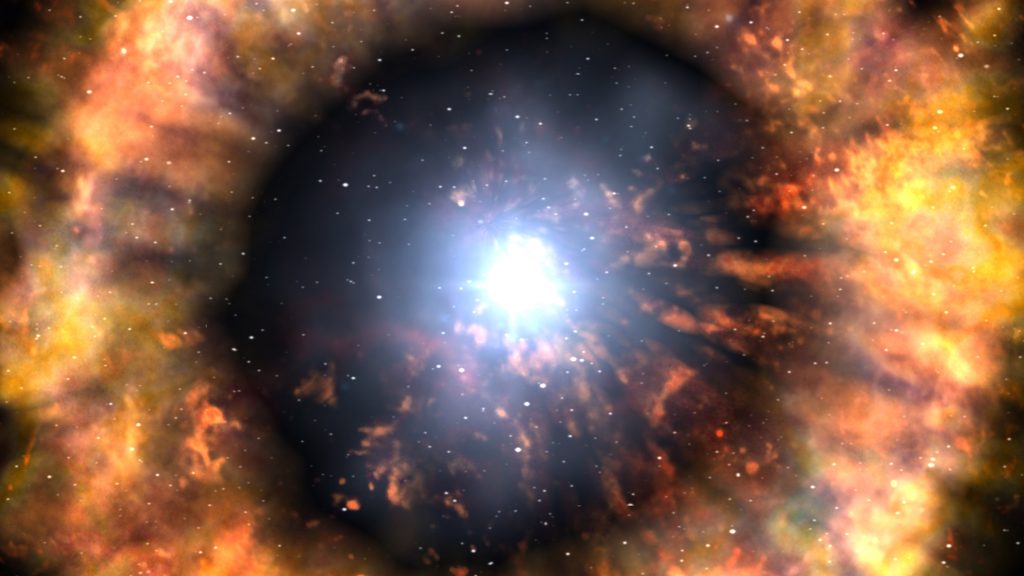
We chase the spectacular, the grand collapse, the blinding flash. But as the Einstein Probe reveals, the most profound secrets of a star’s death are whispered in the first, fleeting microseconds of its final act. Catching that initial shock breakout—a supersonic blast wave punching through the stellar surface—is astronomy’s equivalent of hearing the gunshot before the race ends. We are finally watching the starting line.
This observation is more than a technical triumph. By capturing the SBO and the aftermath, we’ve peered backward in time to the identity of the progenitor. We’re not just seeing that a star died; we’re learning how it lived, and critically, what substance filled its final surroundings. It connects the internal engine of a collapse to the very fabric of the space around it. It’s the missing frame in our cosmic film reel, linking stellar evolution to its explosive finality.
It signals that a new era has begun, where we can piece together the anatomy of a supernova in real-time, not just through its lingering residue. For a star’s life is a billion-year blur, but its death is a story told in seconds—and we've just learned to read the first page. A million years of silence, and the loudest secret is told in a burst of X-rays we almost missed.