German company becomes first in Europe to launch fully commercial orbital rocket
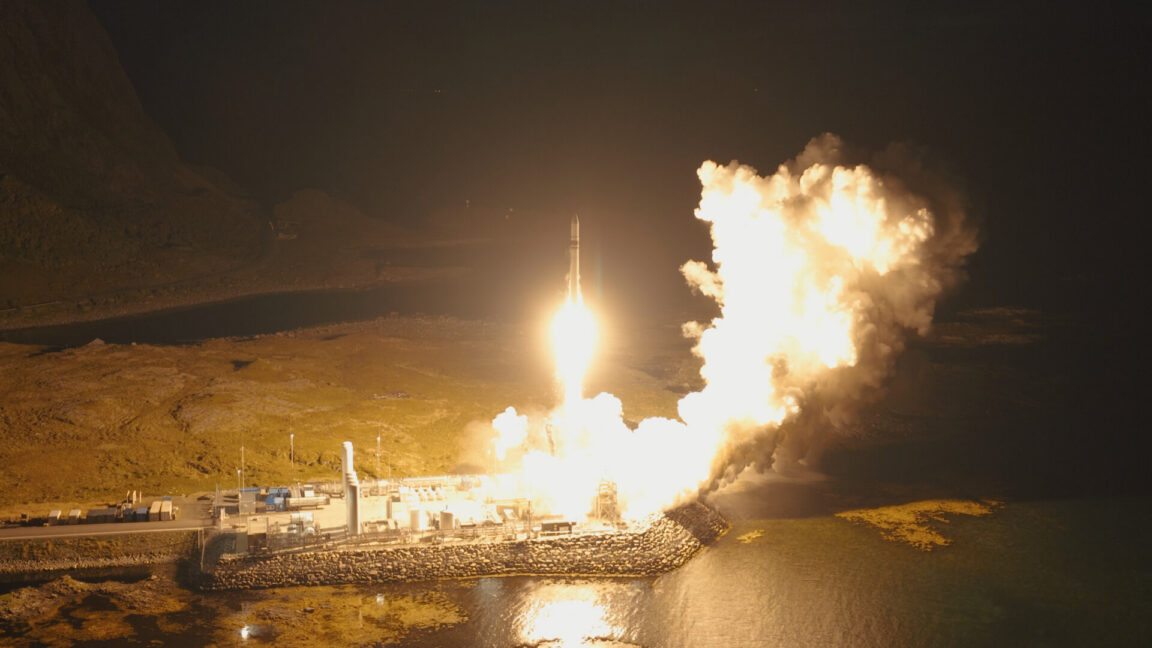
The headline itself is a quiet earthquake. For decades, European spaceflight was the domain of ESA, Arianespace, and the kind of multi-nation consensus that favored reliability over velocity. A fully commercial orbital launch—no government anchor customer, no national security payload masking the costs—means that the startup ecosystem has finally breached the barrier that institutional inertia built. The quote in the article isn't just bravado; it's a structural indictment. Ariane 6 was years late and billions over budget. A private German team did in a fraction of that time what the old guard couldn't do on schedule.
This is where the analysis sharpens: the speed gap isn't a technology problem, it's an organizational one. European agencies weren't lacking smart engineers or capable hardware; they were missing the willingness to fail fast, break things, and iterate on commercial timelines. The German launcher proves that the regulatory and technical hurdles weren't the real bottleneck—culture was. That's a far more uncomfortable conclusion for Brussels and Paris than any late-stage SpaceX imitation.
The geopolitical timing matters too. Europe has spent the last few years panicking about sovereign launch access, especially with the Ariane 6 hiccups and the temporarily grounded Vega. A private German success doesn't just close that gap—it reframes the entire conversation. If commercial players can deliver sovereign access to space, then state policy should pivot from funding monopolies to enabling competition: streamlined licensing, shared infrastructure, and procurement that buys outcomes rather than heritage. The risk, however, is over-romanticizing one flight: a single successful splashdown doesn't yet make a sustainable business model, and the real game is reusable, high-cadence flight—where the U.S. remains years ahead.
Still, this is a legitimate fork in the road. Europe's space program has traditionally been a symbol of continental cooperation, slow-cooked and carefully negotiated. This launch signals a shift toward something more aggressive, more American in spirit: unapologetic capital, private risk, and speed as a virtue. Whether that infects the broader European innovation culture remains to be seen, but for now, the historical weight is clear—the old maps of European space power are obsoletecars.