Benjamin Franklin's Alter Egos Gave Him the Most Freedom
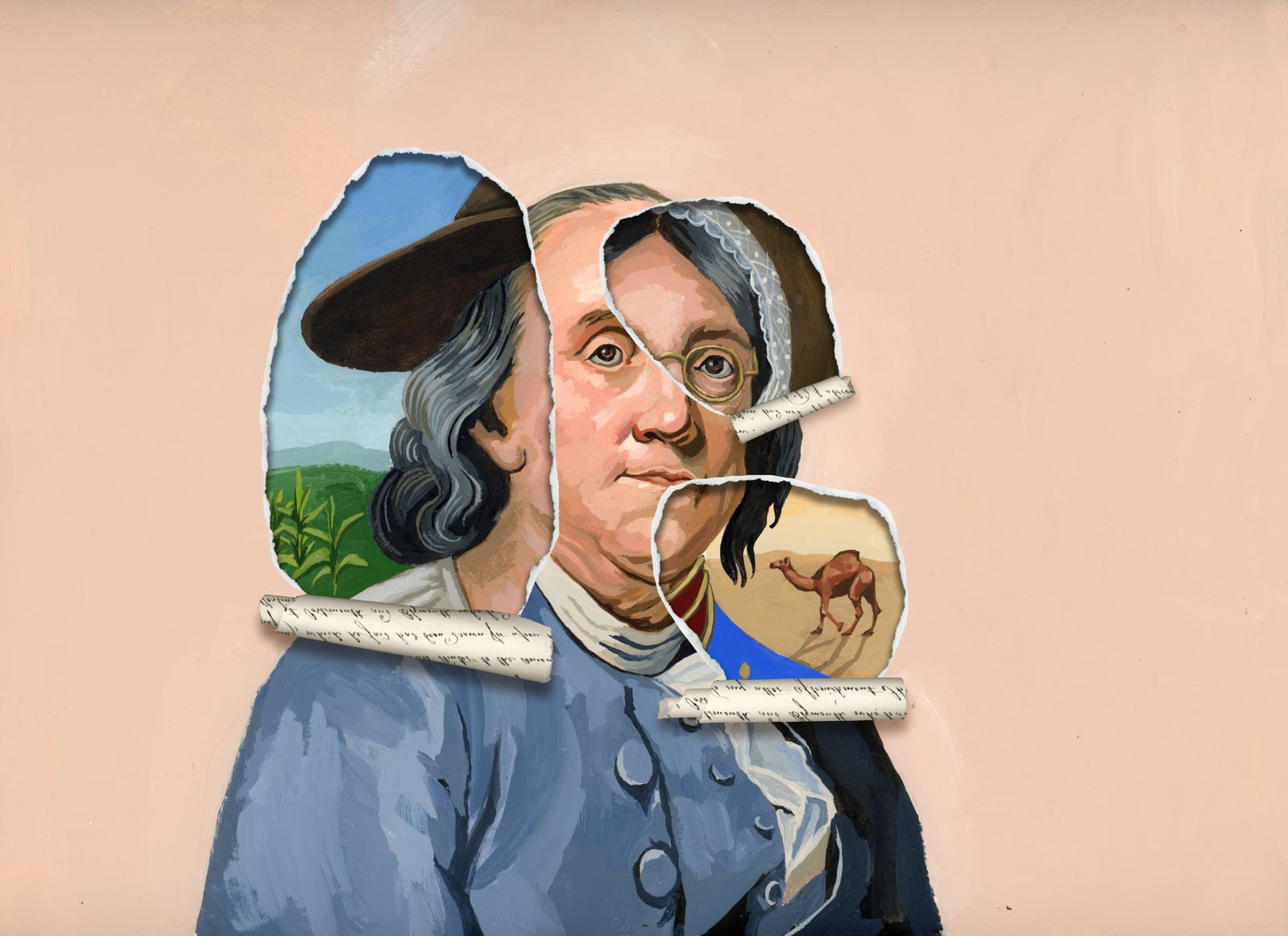
There's a delicious irony in reading about Benjamin Franklin's pseudonymous mischief on Hacker News, a site where half the users are posting under handles they've nursed for two decades. Franklin's alter egos weren't a gimmick — they were a strategic architecture for dissent. When he wrote as Silence Dogood, a middle-aged widow, he wasn't cosplaying; he was building a firewall between his public identity and his actual opinions. That's not cowardice. That's engineering.
The open source world has always understood this intuitively. Linus Torvalds didn't need a pseudonym because he had the kernel, but plenty of others did. The person who files the critical security advisory, the maintainer who calls out a toxic project leader, the developer who forks a project and tells the old guard to get bent — they often do it under a name that isn't theirs. Pseudonymity is the original license: it grants you the freedom to be wrong, to be sharp, to be controversial, without the social cost landing on your real-world shoulders. Franklin would have been a legendary maintainer.
What's striking about the Smithsonian piece is how Franklin used his alter egos not just for cover, but for range. Silence Dogood let him write about gender and society from a perspective he couldn't access as a man. Richard Saunders let him mock superstition while selling almanacs. Each persona was a different API into the same underlying system — Franklin's own mind. That's the move modern open source contributors are making when they separate their "work account" from their "shitposting account." It's not deception; it's compartmentalization. The persona is a tool, like a compiler flag or a kernel module.
The uncomfortable truth is that the open source community has a love-hate relationship with this legacy. We celebrate pseudonymous contributors one day and demand real names for "accountability" the next. Franklin's example suggests we're asking the wrong question. The issue isn't whether the name is real — it's whether the work is honest. Silence Dogood's letters were honest in a way Franklin's signed work often wasn't. The mask didn't make him a liar; it made him brave enough to tell the truth.