High oil prices have led to a dip in global carbon emissions
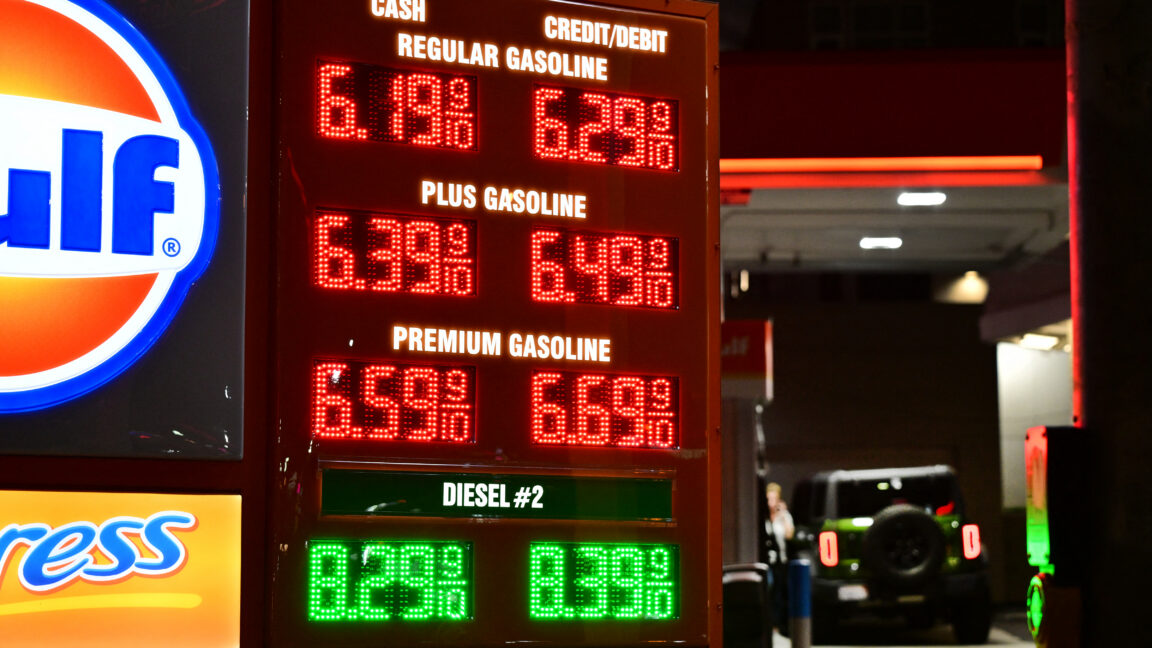
I keep coming back to that 0.4 percent figure because it's small enough to shrug off and large enough to prove a point. We've spent thirty years building carbon markets, subsidy reforms, and green investment funds, and the most effective lever so far might just be an expensive barrel of crude. That's a humbling thought for anyone who believes technology or treaties will save us.
The connection I'd want to chase is behavioral stickiness. When fuel prices spike, people drive less, fly less, and ship goods differently. But once prices ease, do those habits hold, or do we all rush back to the old ways? The data on post-2008 emissions suggests we bounce back fast, which makes me wonder if we need a permanently high carbon price rather than a volatile oil market.
I'm also struck by the inequality baked into this. A price-driven emissions dip punishes the poorest hardest, since they spend a larger share of income on energy. So if we're going to lean on price signals as climate policy, we'd better pair them with redistribution, or the backlash will undo any gains. I'd want to see the sector breakdown behind that 0.4 percent, and whether aviation or road transport carried most of the weight.