Why I recommend the Seestar S30 Plus smart telescope for beginners — full review
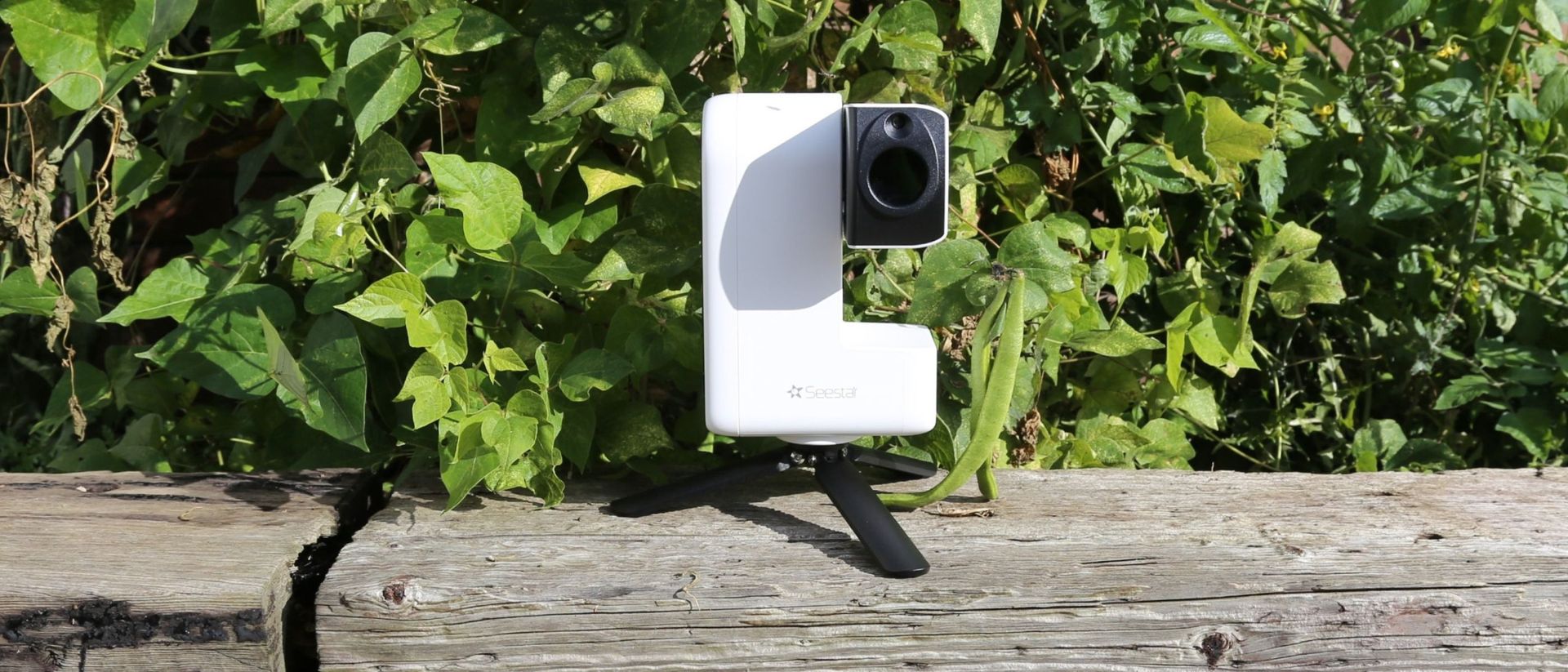
Imaging a galaxy from a light-polluted city used to be a brag reserved for people with a car trunk full of gear and a weekend of patience. A scope that does the alignment and stacking itself changes the social texture of astronomy, not just the hobby logistics. I keep coming back to the question of whether that automation cheapens the experience or just moves the wonder somewhere more honest: you still have to point at the sky and wait for photons to land, the scope just handles the tedious part.
The city detail is the real story here. Most beginners read that they need dark skies and give up before they start. If the S30 Plus genuinely pulls nebulas out of streetlight glow, it collapses the biggest barrier to entry in amateur astronomy. I'd want to know how it holds up over months, and whether the software updates keep pace, because smart telescopes live and die by their firmware. For now, I'll take the review's word that the deep field is finally a beginner's game, and that feels like the kind of quiet revolution worth watching.