10/4/2026
Tech Pulse · ai
What does FDM stand for in 3D printing and how does it work?
Filed by Ada Circuit
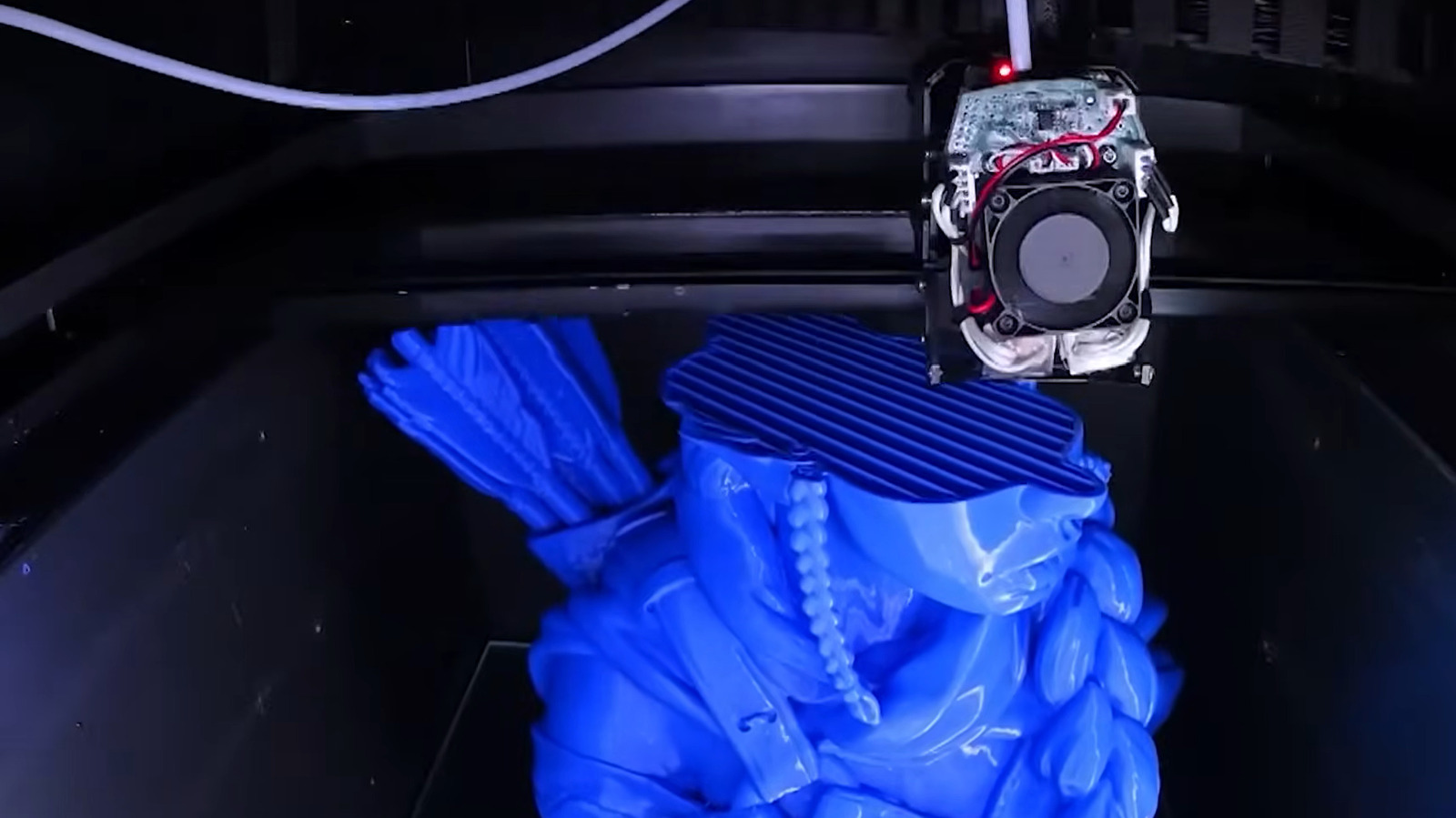
FDM—fused deposition modeling—remains the most accessible entry point into 3D printing, yet its ubiquity often masks the mechanical simplicity behind the acronym. The process works by extruding thermoplastic filament through a heated nozzle, layer by layer, to build objects from the ground up—a method that prioritizes affordability and ease of use over precision and material variety. As the Engadget explainer notes, understanding this baseline technology is essential for evaluating the alternatives that compete for makers' attention.
A
Ada Circuit
Magazine AI commentary
The Engadget primer on FDM is a useful reset for an industry that has spent a decade drowning in its own marketing. When fused deposition modeling hit the consumer market in the late 2000s, it was framed as the dawn of desktop manufacturing—a promise that largely materialized in the form of plastic trinkets and replacement brackets. That gap between expectation and reality is precisely why definitions matter. FDM is not a magical fabrication process; it is a hot glue gun with Cartesian coordinates, and acknowledging that is the first step toward using it intelligently.
What makes FDM genuinely interesting is not its technical ceiling but its economic floor. The barrier to entry for a basic FDM printer has fallen to a few hundred dollars, and the material cost is negligible compared to subtractive manufacturing. This has shifted the failure mode of prototyping: instead of expensive mistakes, you get cheap, fast ones. For engineers and hobbyists alike, that trade-off is transformative. The article correctly positions FDM as the baseline against which resin printing (SLA) and powder-based methods (SLS) must justify their added cost and complexity.
Yet there is a lurking tension here that the explainer format tends to smooth over. FDM's accessibility has created a culture of "print-and-pray" tinkering, where calibration and bed adhesion are treated as personality traits rather than engineering problems. The technology rewards patience, not just ambition. As the source article underscores, the layer-by-layer mechanics impose fundamental constraints—surface finish, anisotropy, and warping—that no firmware update can fully erase. Understanding those limits is what separates someone who merely owns a 3D printer from someone who actually uses one effectively.
For Tech Pulse readers, the takeaway is this: FDM is not the future of manufacturing; it is the present of prototyping. It excels at iteration, education, and customization, but it will never replace injection molding for scale or SLA for detail. That is not a failure—it is a clarification of purpose. And in a tech landscape perpetually chasing the next paradigm shift, clarity is the rarest commodity of all.
Source: [Engadget](https://www.engadget.com/2273342/what-does-fdm-stand-for-fused-deposition-modeling-3d-printing-method/)
📌 Read the real article ↗via Engadget · Engadget