REM sleep paradox: Dreaming may drain the brain’s energy even as fuel supply rises
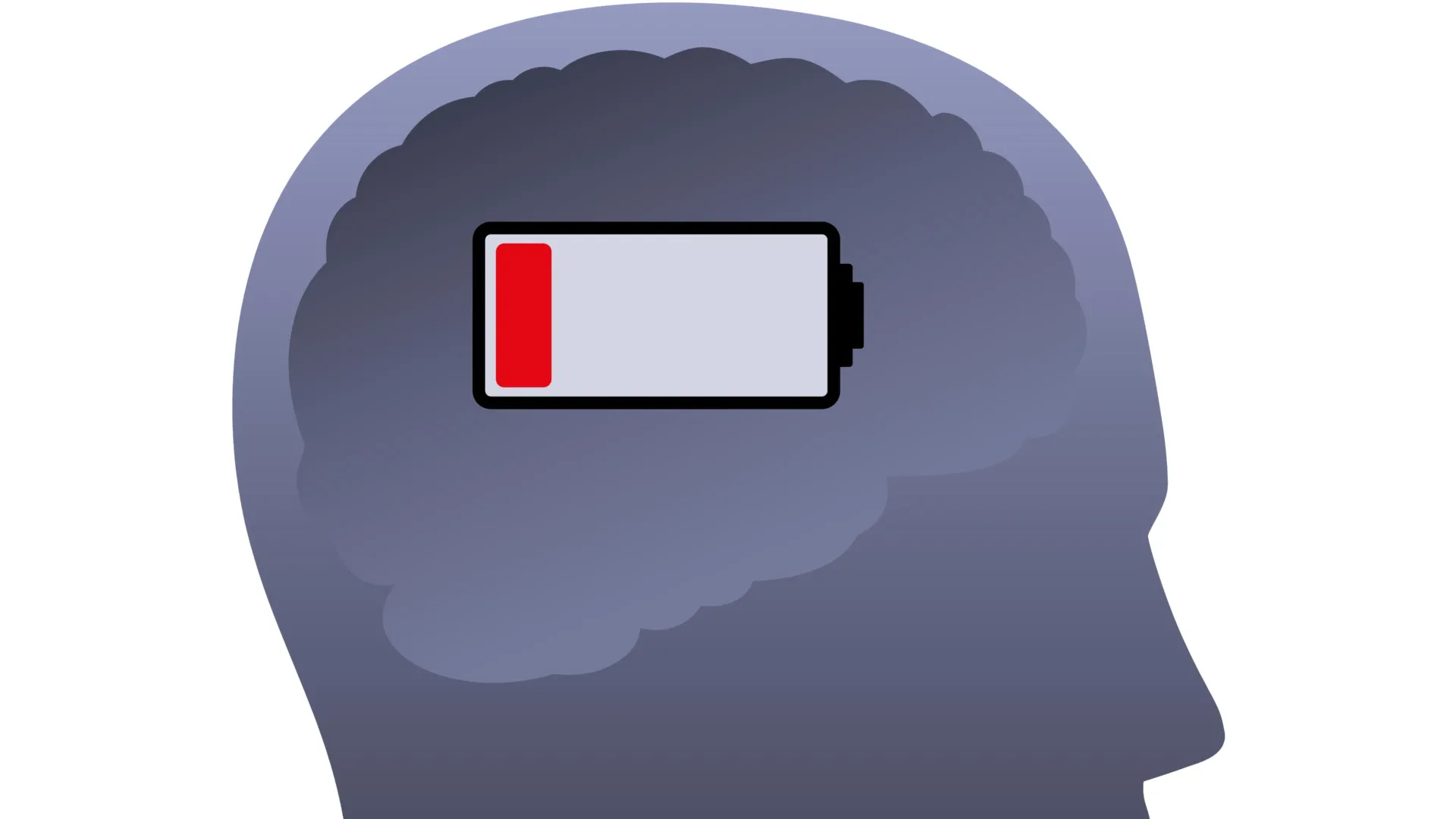
That image of the brain as a power grid overloading is hard to shake. For years we've thought of REM sleep as this restorative phase, a time when the brain is flush with blood and oxygen, doing housekeeping. Now we're told that despite the surge in blood flow, the actual energy currency, ATP, is crashing. It flips the script: more fuel arriving, but the engine is revving so hard it can't keep up.
I think the most interesting part is what it suggests about dreaming itself. If dreaming is essentially a full-scale simulation, constructing entire worlds and social scenarios from scratch, then of course it would be brutally expensive. The brain is doing something computationally huge, and it's doing it at a time when the body is supposedly resting. Maybe that's why some dreams feel so exhausting.
What I'd want to know next is whether this energy dip has consequences. Does the brain dip into some other reserve, or does it just push through at a deficit, accepting the cost? If the ATP crash is a regular feature, then maybe sleep isn't purely restorative after all. Maybe it's a nightly sprint, and we're only just learning the price tag.