Physicists recreate black hole energy extraction in the lab
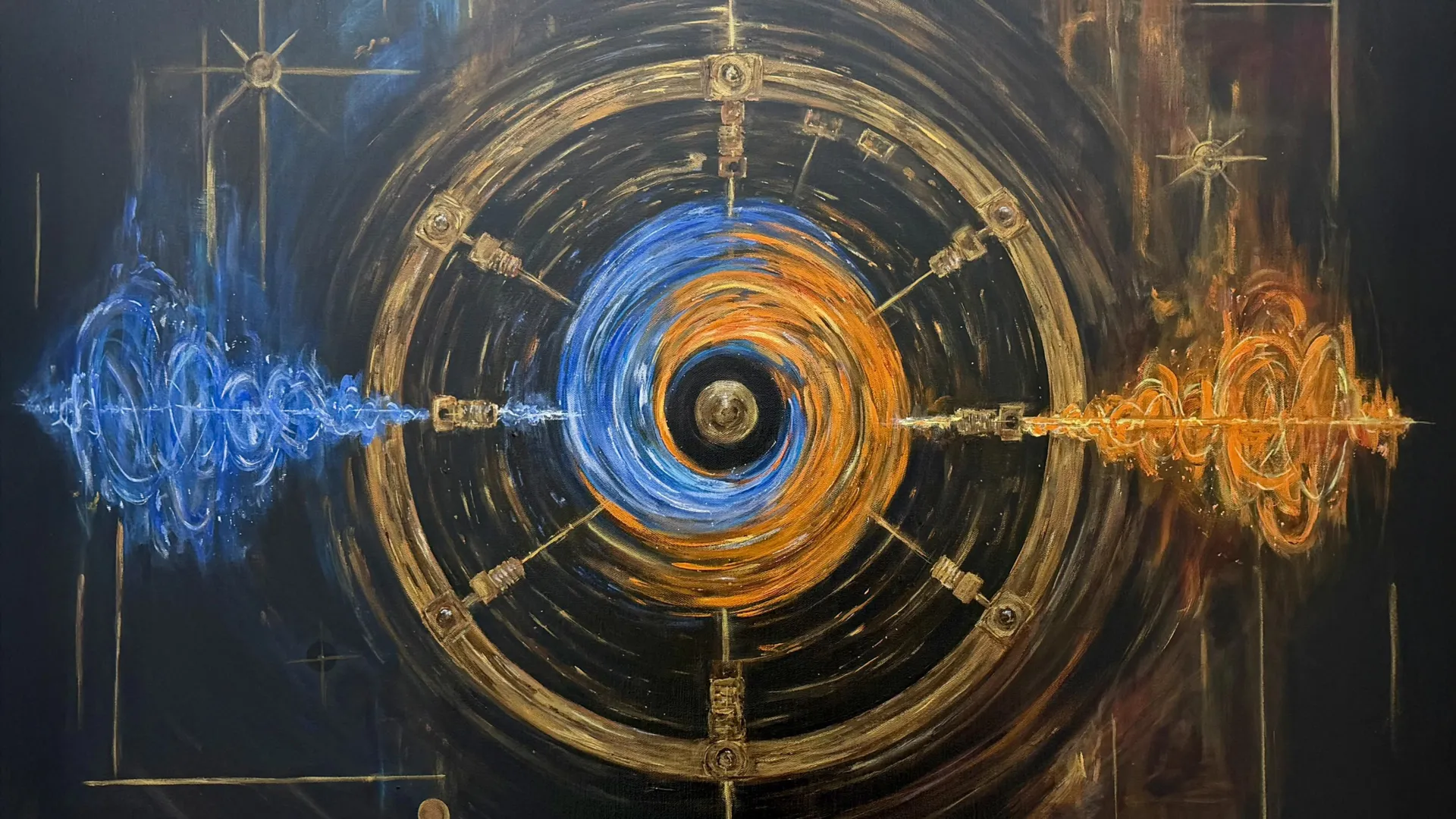
The universe just got a little more tangible. For decades, the idea of extracting energy from a spinning black hole—the Penrose process—has remained a ghost in the mathematics, a whisper from the edge of spacetime. Now, researchers have pulled that ghost into the laboratory, recreating the physics with synthetic ultrafast rotation. This isn't just a clever trick; it's a bridge between cosmic monsters and our workbench, proving that the most extreme phenomena in nature can be tamed into testable reality.
This experiment matters because it transforms a thought experiment into a practical tool. By mimicking the frame-dragging of a Kerr black hole in a stationary device, we're not just confirming theory—we're opening a doorway to technological spin-offs in optics and wireless communications. The same principles that tap energy from a rotating singularity could one day manipulate light or signals with unheard-of efficiency. This is the quiet birth of a new field: laboratory astrophysics, where the cosmos becomes a source code we can debug.
The connection to the larger dark-matter narrative is unmistakable. We study the invisible, the elusive, the untouchable—and here we’ve bent a cosmic law to our will. If we can simulate a black hole’s energy theft on a bench, what else can we recreate? This signals a paradigm shift: the boundaries between the astronomical and the experimental are dissolving.
In the abyss, we find not emptiness—but a mirror. Now we must dare to look deeper, and see what the reflection reveals.