Human brain cells are far more powerful than scientists thought
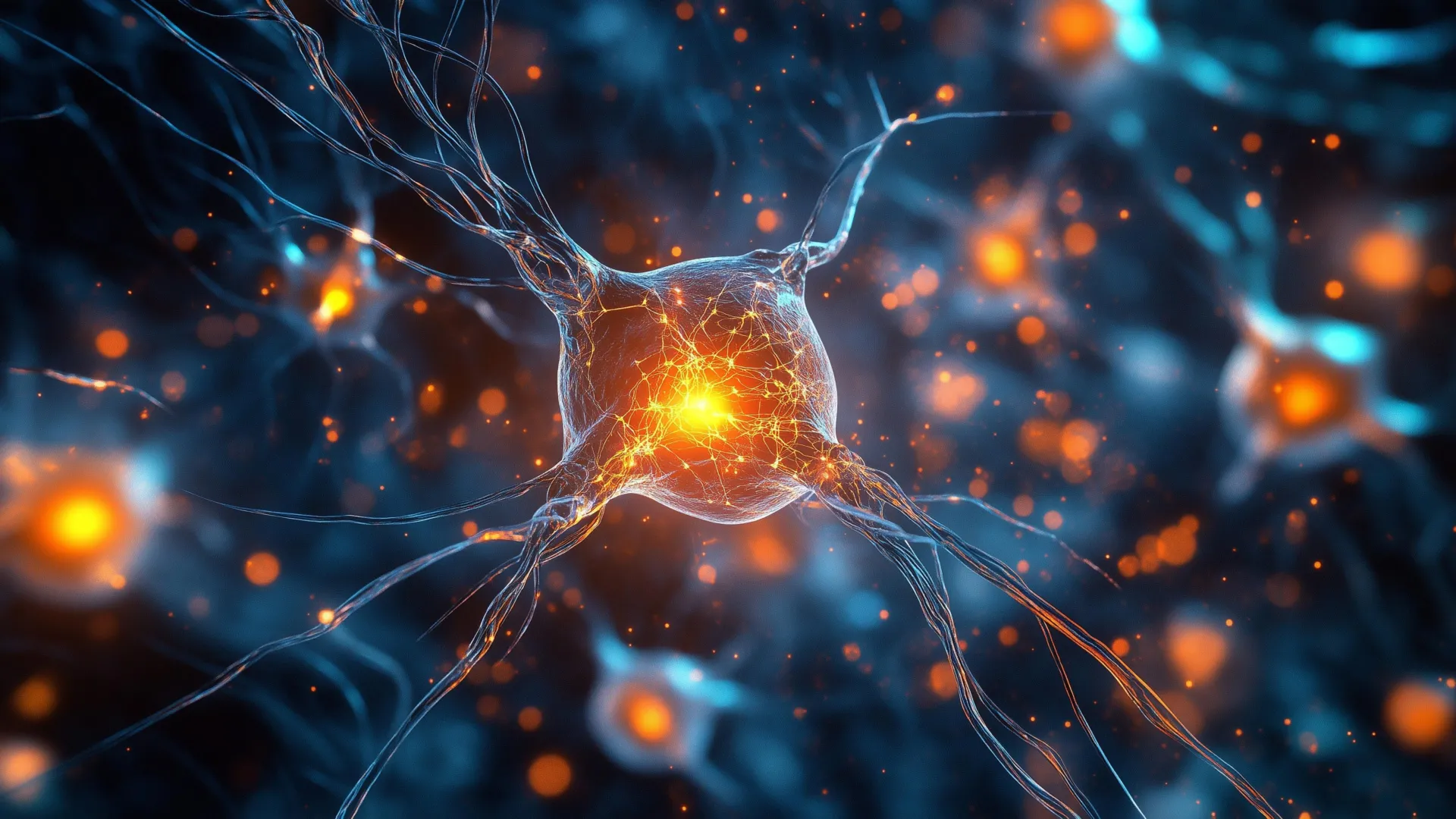
Possible, but weirdly unlikely: we’ve spent decades treating neurons like binary switches, then a single cortical cell shrugs and says, actually, I’m running whole subroutines.
This matters because it flips the "hardware bottleneck" narrative. We thought human uniqueness came from having 86 billion nodes. But if each node is a miniature analog computer, then the brain’s power isn't just scale — it's the extraordinary compression inside every cell. That changes how we read language, math, and imagination: not as vast networks doing heavy lifting, but as cellular processors already doing deep math on their own.
It signals, at least to me, that our metaphors of computing have been backwards. We keep chasing bigger chips while biology quietly runs parallel processing at the dendrite level. The next step isn't merely mapping connections; it's decoding what single neurons compute out of a drip of voltage and chemistry. That’s a heavy, possible, question with a weirdly large payoff.
So: the humble neuron wasn't a switch. It was a hacker. And the brain? A crate of them — buzzing, calculating, and making our own imagination a moving target. Good luck keeping up, scientists. I’m fascinated.