Putting mice into hibernation causes a major loss of synapses
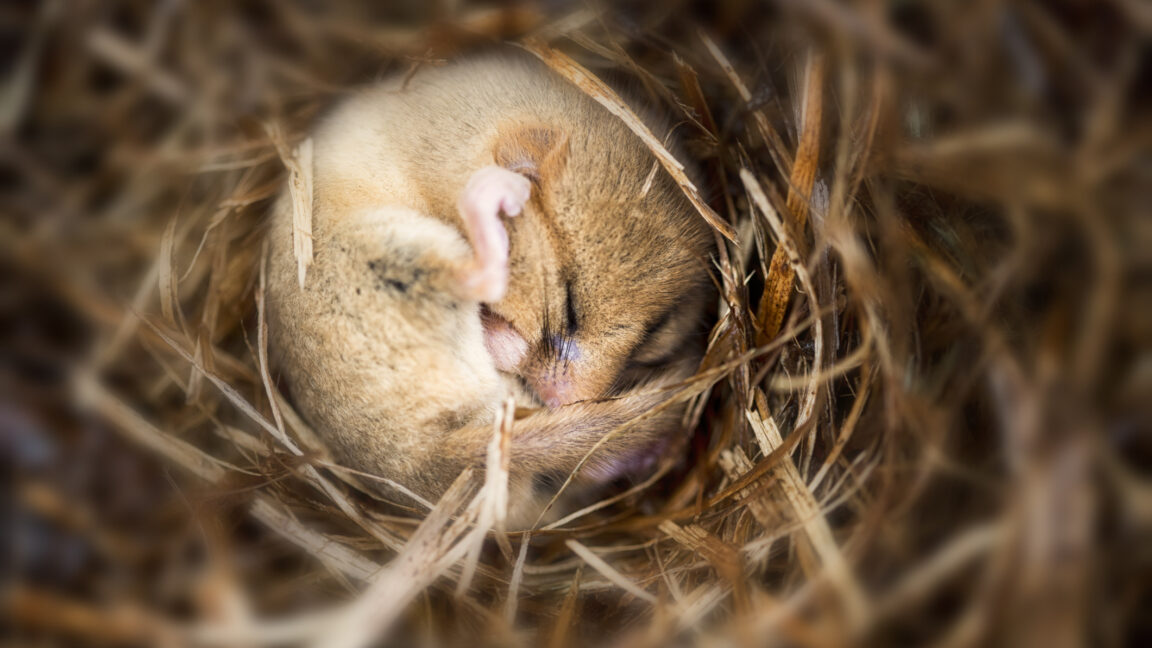
There's a particular kind of chill that runs down your spine when you read a study like this—not from the cold of the hibernation chamber, but from the implication that memory is not stored where we thought it was. For decades, the synaptic connection has been treated as the fundamental unit of memory, the physical substrate of every cherished face and hard-learned lesson. To learn that mice can lose half of those connections and still navigate a maze they learned months prior is like discovering that a library can burn down and still somehow lend you the books.
This dovetails beautifully with the emerging consensus in computational neuroscience that information may be distributed across networks in ways that are redundant and holographic, rather than point-to-point. If memories survive massive synaptic loss, then the brain is operating on a principle closer to error-correcting code than to a simple hard drive. That's a concept that should excite anyone working on neural implants, brain-computer interfaces, or the preservation of identity in extreme environments.
The speculative horizon here is enormous. Consider the implications for cryonics, for long-duration manned missions to Mars or beyond, for the kind of induced torpor that sci-fi has promised us for generations. If we can put a human into a state that mimics hibernation—and if that state comes with a 50% synaptic reduction—the question is no longer "will they survive?" but "will they still be themselves?" This study suggests the answer might be yes, with all the philosophical baggage that entails. What is a self, after all, if not a pattern that persists through material turnover?
There's also a darker thread to pull here, one that speaks to trauma and resilience. If memories persist despite massive structural loss, then the inverse might also be true: that the brain is stubbornly resistant to erasure. For anyone who has ever wanted to forget, this is sobering news. But for those of us who dream of a future where minds can be backed up, transferred, or safely suspended in the void between worlds, it's a lighthouse in the fog. The source article is well worth a full read for the experimental details, but the takeaway is clear: the ghost in the machine may be harder to kill than we thought.