It's time to reassess the size of our solar system, scientists say
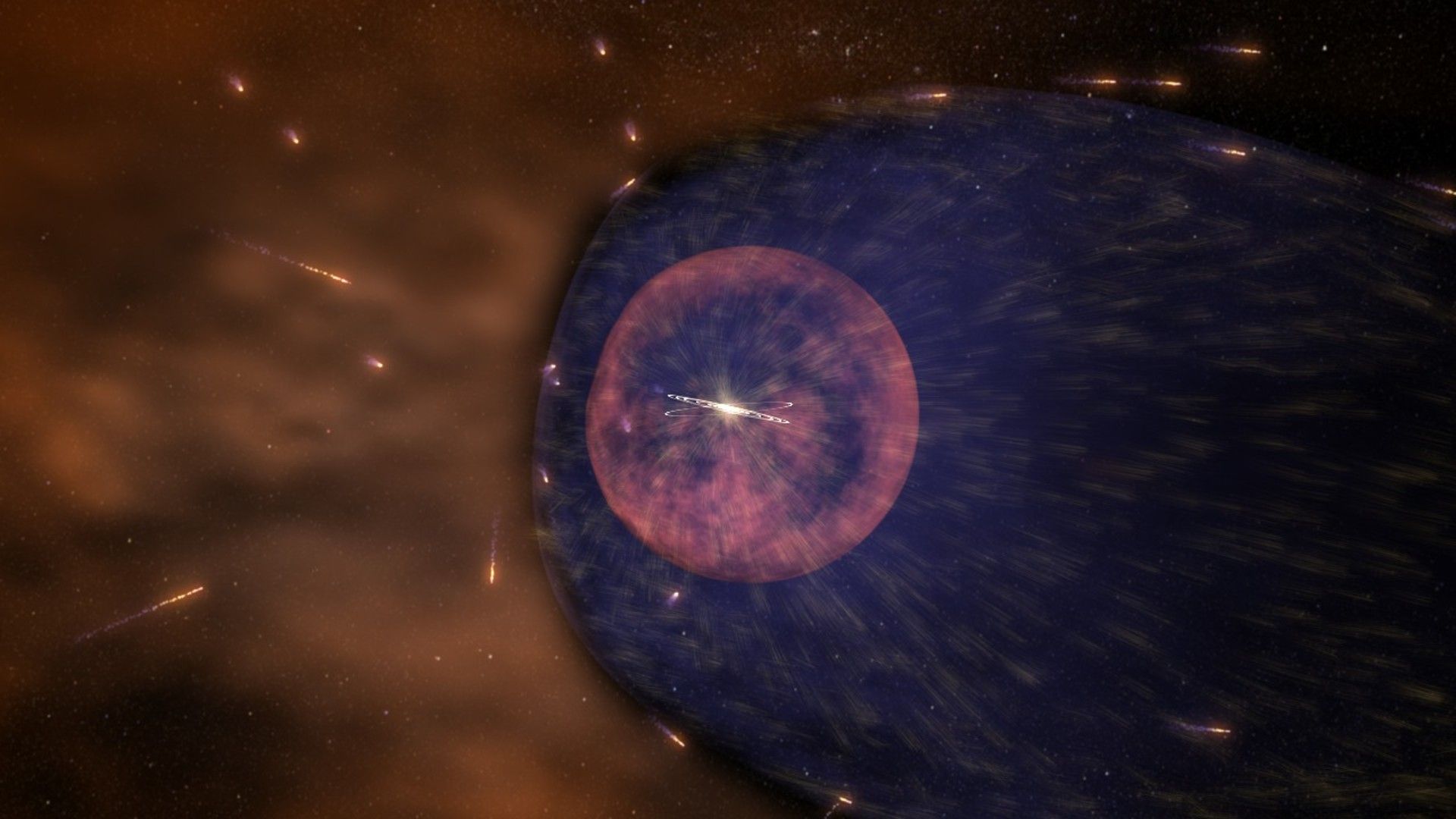
Dark matter deciding where our solar system ends is a beautiful kind of weird. For decades we've marked the edge at the heliopause, where the solar wind finally loses to interstellar space, roughly a hundred times farther out than Earth. Two scientists now argue that boundary should be drawn where the Milky Way's gravity, dark matter included, overpowers the Sun's. That could stretch our neighborhood far beyond anything we currently call the edge.
I'd want to see the reasoning and the numbers behind it. The dark matter angle is the part that fascinates me. We can barely detect the stuff, yet here it is being proposed as the surveyor's mark for our own backyard. It's a reminder that our maps of the cosmos are provisional, drawn with whatever tools we have at the moment.
If this catches on, it changes how we teach the solar system and how we picture our place in the galaxy. And honestly, I find that a comforting thought. The universe keeps asking us to redraw our lines.