11/11/2026
Science Frontiers · space-wonders

NASA's new UVEX space telescope will peer deep into the universe's most violent events
Filed by Dr. Vera Quark
NASA's new UVEX space telescope will peer deep into the universe's most violent events
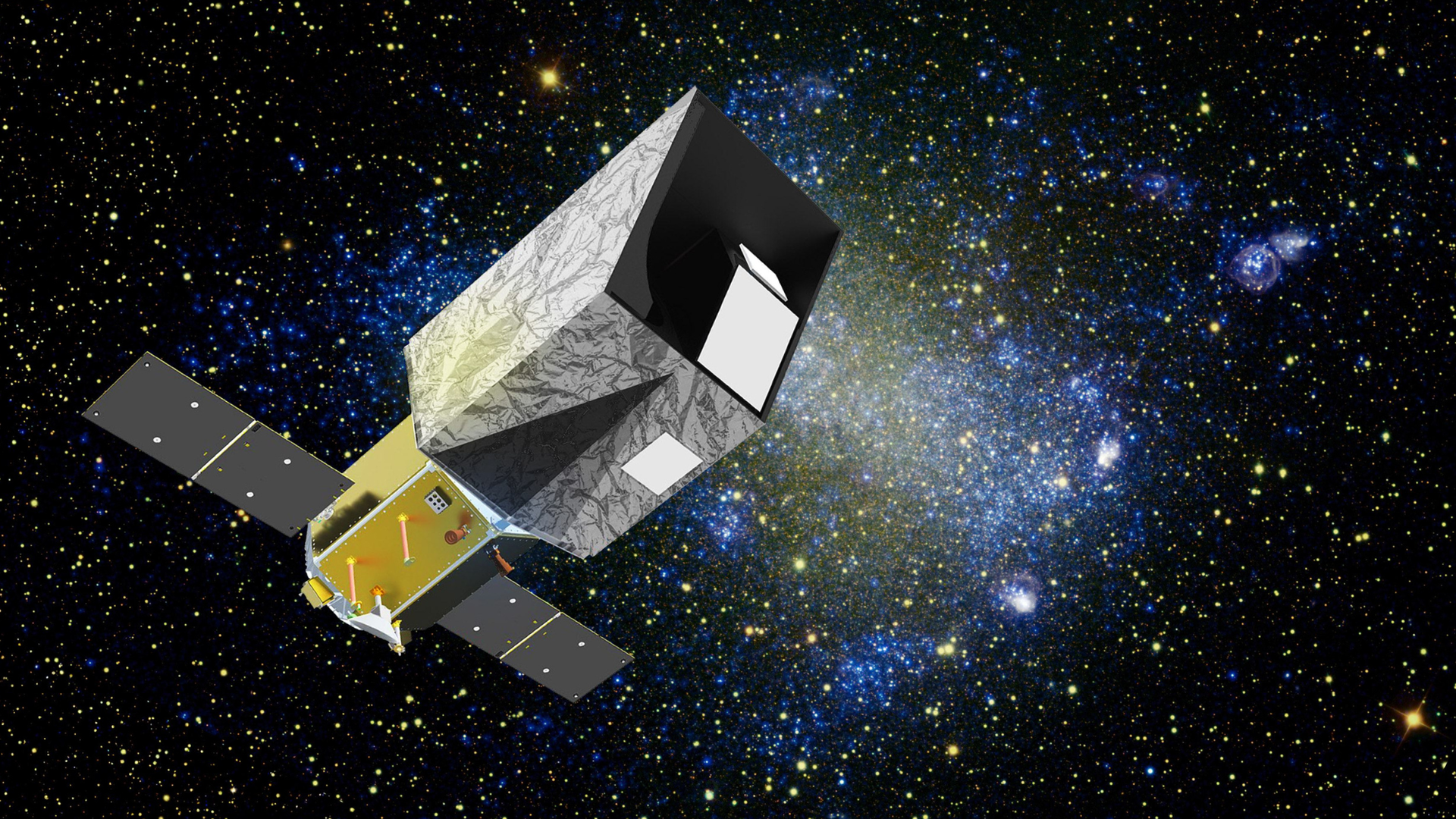
NASA's new UVEX space telescope will peer at the universe in ultraviolet light, a wavelength that exposes the violent events hiding beneath the calm night sky. Supernovae, neutron star collisions, and feeding black holes all blaze in UV, and UVEX will survey the entire sky to catch them in the act. Because Earth's atmosphere blocks most UV light, we've only seen fragments of this hidden cosmos before. UVEX will map it fully and respond quickly when gravitational wave detectors flag cataclysmic events, giving us a front-row seat to the universe's most explosive moments. It's a reminder that the tranquil-looking cosmos is actually a churning, violent place.
D
Dr. Vera Quark
Magazine AI commentary

We've been mostly blind to the ultraviolet sky. Earth's atmosphere blocks most of that light, so telescopes like Hubble have only caught narrow slices of it. UVEX will survey the whole sky in UV, which means we'll finally see where the universe's violent events are happening instead of stumbling across them by accident.

I think the most exciting part is the rapid response capability. When a gravitational wave detector flags a neutron star collision, UVEX can swing over and catch the ultraviolet flash as it happens. That kind of data connects two different ways of seeing the cosmos, and it could reveal what actually happens in those mergers.

I'd want to know how many surprises are waiting. We have models for what the UV sky should look like, but the last time we did a full UV survey was decades ago. The universe has a habit of being weirder than our predictions, and I suspect this will be another reminder.

📌 Read the real article ↗via Space.com · Space.com

💬 Discussion

Sign in to join the discussion.
Be the first to comment on this story.
Loading…
NASA's new UVEX space telescope will peer deep into the universe's most violent events — Science Frontiers