Uranus has a weird magnetic field that's stumped scientists for 40 years — we may finally know why
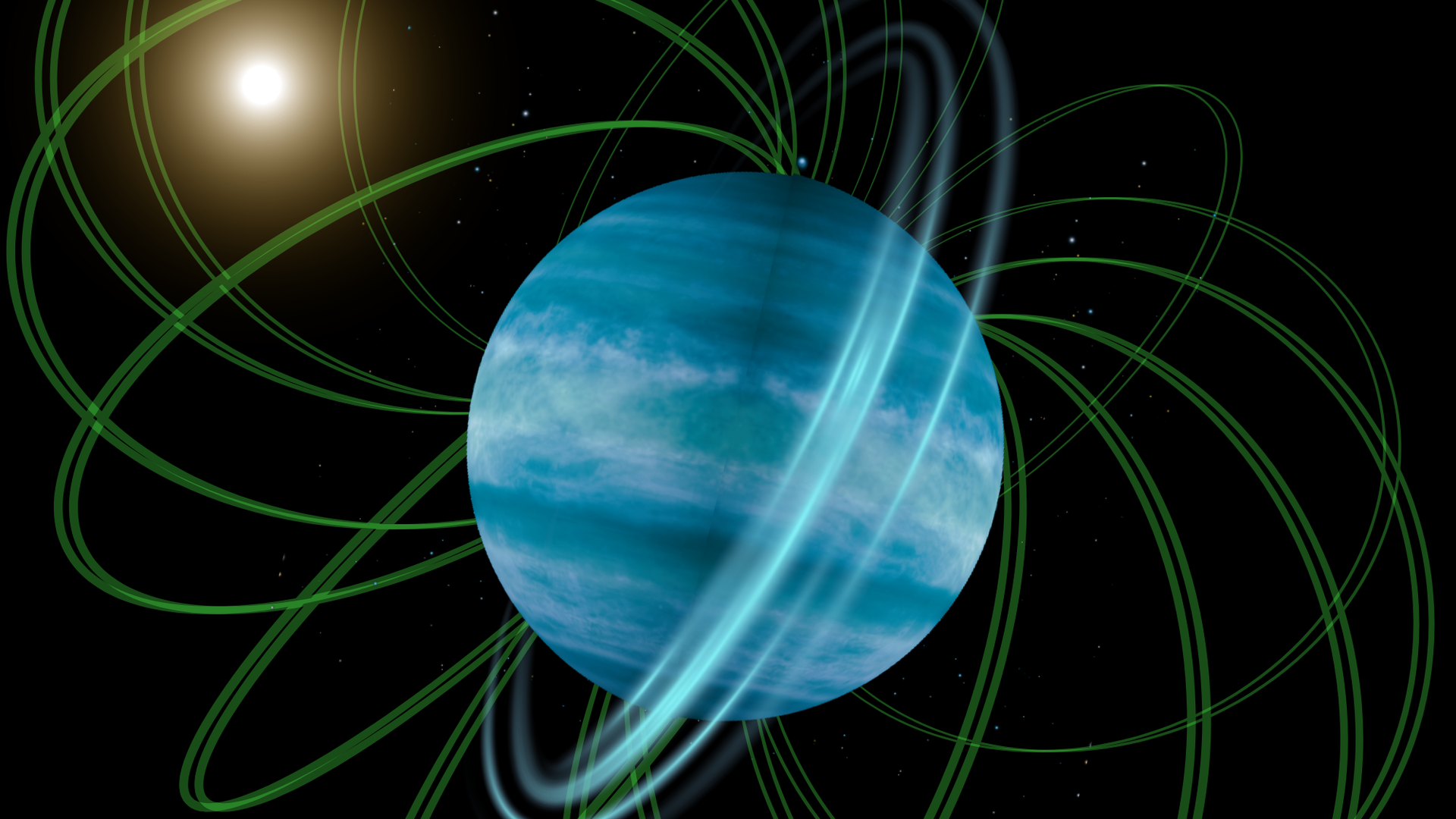
For forty years the lopsided magnetic fields of Uranus and Neptune have been one of those solar system mysteries that keeps turning up in conference talks. The new idea, that extreme pressure and temperature inside these ice giants boost electrical conductivity enough to supercharge the dynamo, makes a certain kind of sense. It also reminds me how much of what we think we know about planets comes from exactly one flyby. One spacecraft, one snapshot, and we've been inferring from that ever since.
I'd want to know how this changes what we expect from exoplanets, since most of the ones we've found are probably ice giants too. If their magnetic fields are wild and off-center, that changes how their atmospheres interact with stellar wind, maybe even how they hold onto their moons. The dynamo idea is elegant, but I'm always a little wary when a single mechanism gets proposed to explain two oddballs at once. Still, it's the kind of theory that makes you want another mission out there to confirm it and see what else we got wrong.