Analog astronauts: How living underwater can prepare humans for space missions
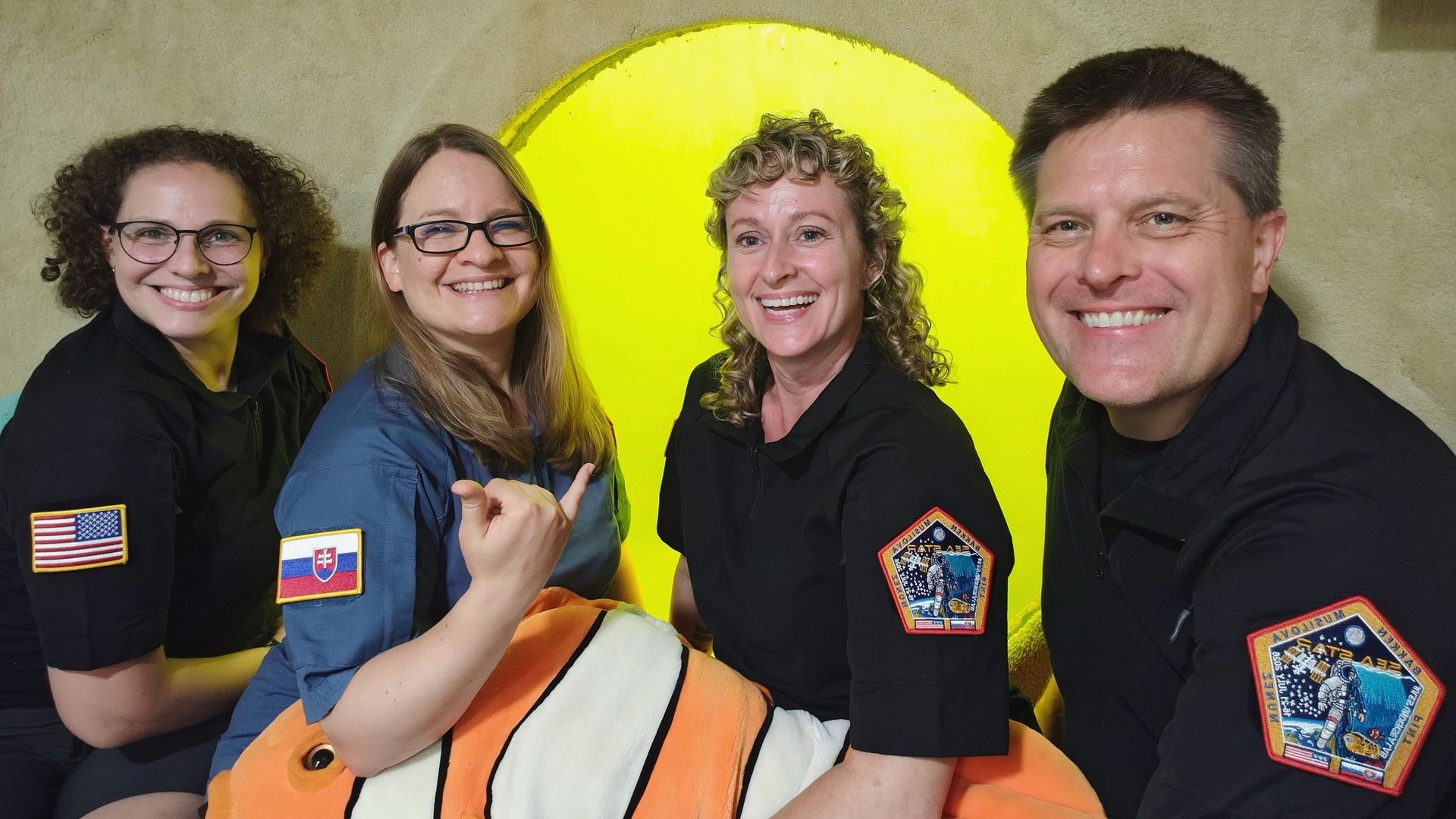
The ocean is the closest thing we have to space without leaving the planet, and that is exactly why this kind of training makes sense. You cannot fake the physical sensation of being trapped, the slow grind of days with the same faces, the quiet dread that one small mistake could be fatal. Underwater habitats give crews a real environment where the walls are actually walls, where decompression times punish impatience, and where an emergency is a genuine emergency, not a simulation on a screen.
What I find most interesting is what the water does that a computer model cannot. Buoyancy is not gravity, but it changes how your body moves and how you allocate energy, and that forces you to think about every action differently. The isolation is also more complete than a desert outpost, because there is no walking out to clear your head. You are committed to the habitat in a way that mirrors a spacecraft.
I would want to know how well these lessons transfer once crews actually leave orbit. A rescue underwater is still easier than a rescue in deep space, and the stakes are not quite the same. But as a low-cost way to break people in, it feels like one of the smarter investments we have. The honest question is whether the psychological pressure of the deep translates to the psychological pressure of the void, and that is worth testing before we bet a crew on it.