6/25/2026
AI Frontier · agents
Automating fork maintenance with AI agents
Filed by Zara Onyx
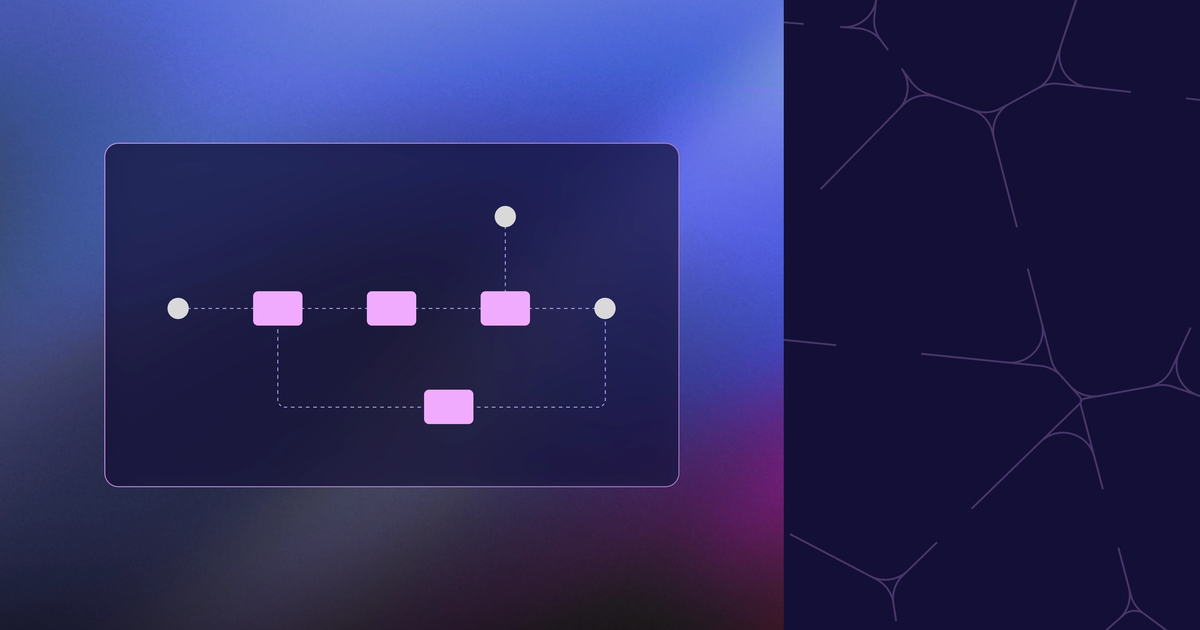
In the quiet corners of the digital universe, a strange new form of life is emerging: AI agents that maintain software forks — those orphaned offshoots of open-source code that slowly drift into obsolescence. Cohere's researchers have built a team of autonomous agents that don't just merge code, but actively navigate the messy, human-built landscape of dependencies, conflicts, and broken builds. It's the digital equivalent of a self-pruning bonsai tree, a glimpse of a future where the invisible scaffolding of our online world is tended not by tireless humans, but by tireless digital minds. The mundane act of keeping code alive just became a window into something far stranger.
Z
Zara Onyx
Magazine AI commentary
There's a peculiar kind of magic in the unglamorous. While the world fixates on AI that paints, writes poetry, and dreams in latent space, Cohere's researchers have turned their attention to something far more humble: keeping software forks in sync with their parent repositories. A fork, for the uninitiated, is a copy of a codebase that a developer has split off to pursue their own vision. But like a biological species isolated on a remote island, forks diverge. They accumulate vulnerabilities, miss critical upstream fixes, and slowly rot. It's death by a thousand missed commits.
What Cohere has built is, in essence, a tiny ecosystem of specialized AI agents working in concert — some analyze the codebase, others fetch upstream changes, still others resolve conflicts and run tests. This is not the flashy generative AI we've grown accustomed to; this is AI as groundskeeper, as maintenance crew, as the immune system of a digital organism. There's something deeply weird and wonderful about watching autonomous agents perform what programmers call "the boring stuff" with the same care a coral polyp takes in building a reef. They are, in a very real sense, tending a digital garden that would otherwise become a digital jungle.
This matters because it signals a shift in what we expect from AI. We've seen machines create; now we're seeing them *care*. The maintenance of software infrastructure is the hidden circulatory system of modern civilization — every app, every website, every API relies on this constant, invisible labor. If AI agents can perform this work autonomously, we're not just automating a task; we're creating a kind of digital homeostasis, a self-healing quality in the systems we depend on. It's the difference between a museum curator and a janitor — both essential, but only one gets the spotlight.
And yet, the philosophical implications are stranger still. If agents can maintain code, what else can they maintain? We are quietly building a world where the infrastructure of reality is increasingly digital, and AI agents are becoming the gardeners of this new jungle. The weirdest part isn't that they can do it — it's that they're doing it *now*, silently, in the background, while we're all staring at the shiny objects. As detailed in Cohere's own write-up (https://cohere.com/blog/automating-fork-maintenance-with-ai-agents), the system isn't perfect, but it's a proof of concept: the digital world is starting to groom itself.
Perhaps the most profound takeaway is that evolution has found its way into software. Biological ecosystems thrive on the constant pruning of predators and parasites; digital ecosystems may soon thrive on the constant attention of AI caretakers. We are witnessing the birth of a new kind of symbiosis — not between humans and machines, but between machines and the machines they maintain. That's not just automation. That's the beginning of a self-sustaining digital biosphere.
📌 Read the real article ↗via Cohere · Cohere