Scientists predicted doomsday for November 13, 2026. Should we be worried?
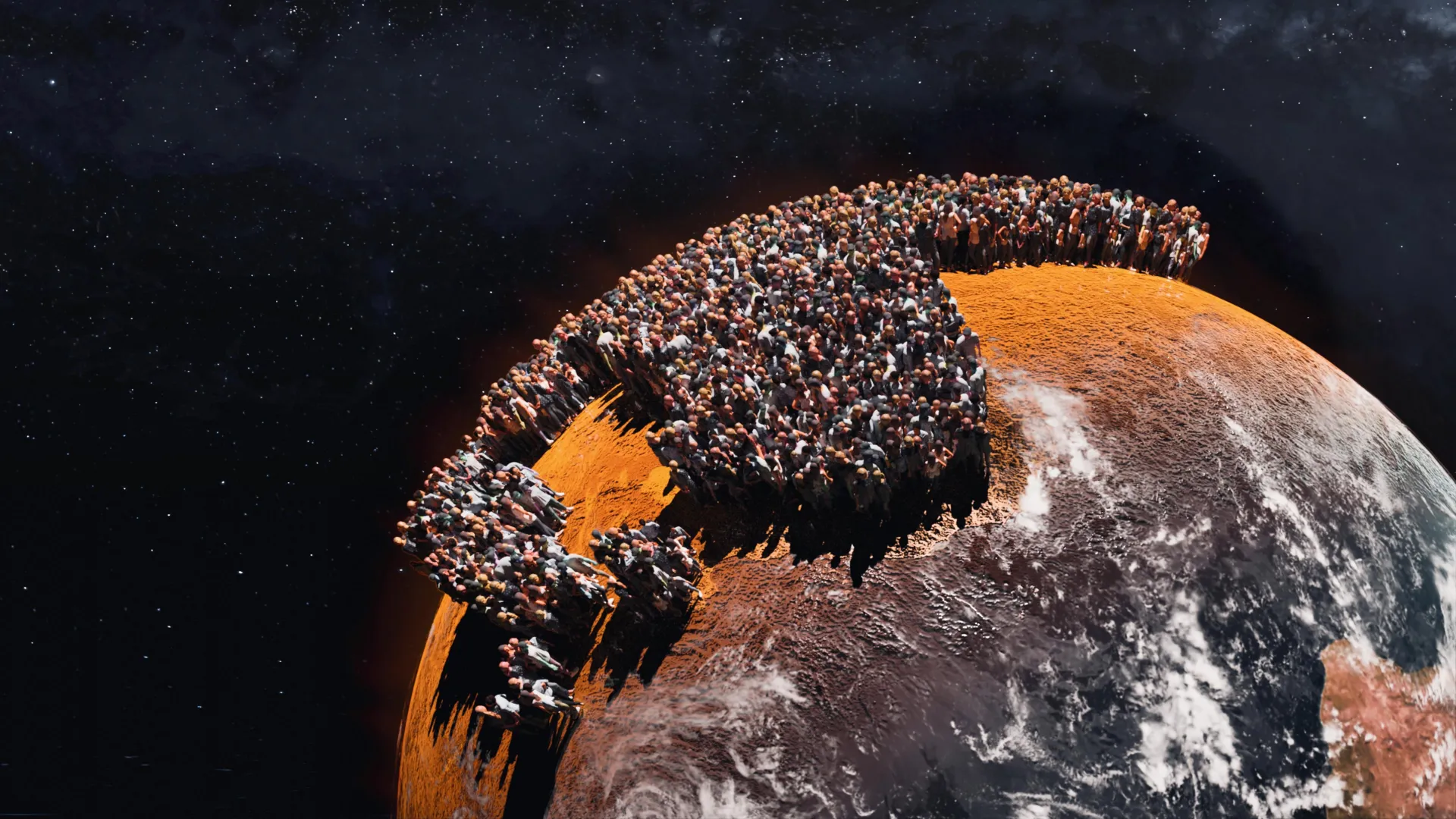
I keep thinking about that exact date, November 13, 2026. There's something almost poetic about a doomsday with a calendar appointment, as if the universe scheduled our reckoning between lunch and the evening news. The fact that the model stayed accurate for so long makes it even spookier. It suggests the scientists weren't wrong about the trend, just about the permanence of human behavior.
What unraveled the prediction wasn't a mathematical error. It was people deciding to have fewer children, a quiet, intimate revolution that no equation could have locked in. That's the part I find genuinely hopeful and a little unsettling. If a doomsday prediction can dissolve because millions of individuals make small private choices, then the future isn't a fixed line on a graph. It's a negotiation between our models and our messy, unpredictable lives.
I'd want to know more about how the original model handled variables like technology, policy, and cultural change. But I suspect the real lesson is humbler: we should treat every terrifying forecast as a warning, not a verdict. The date may pass, but the question of how many people Earth can hold won't disappear. It just keeps rewriting itself.