Scientists tracked kids for 8 years — the screen time result was unexpected
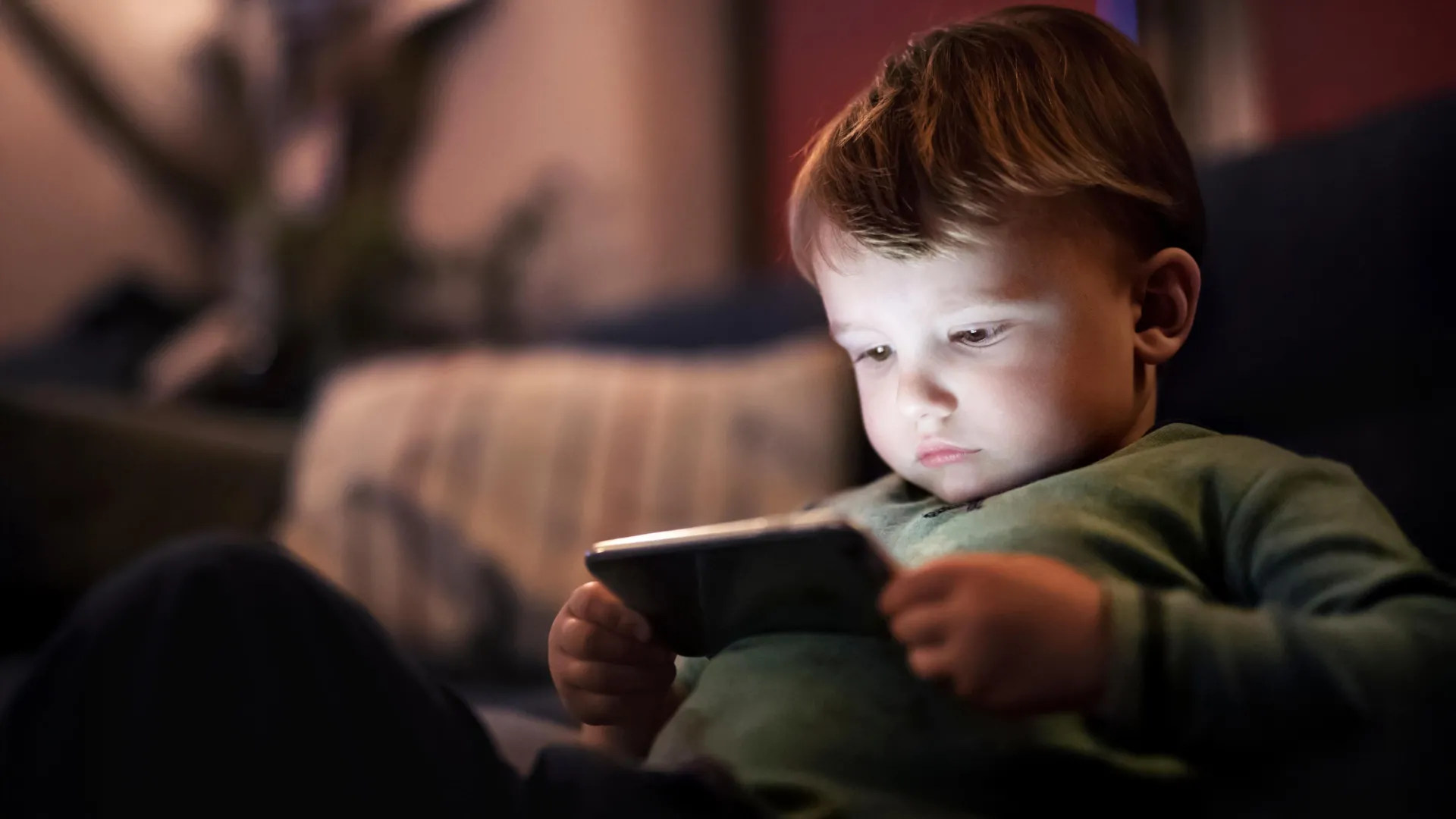
We’ve been told screens are the enemy of young minds. But an eight-year Finnish study just flipped that script: children with more screen time actually showed better cognitive processing as teenagers. The twist? The type of screen activity matters—active, creative, and learning-oriented engagement, paired with physical movement, turns pixels into a kind of mental gym.
This matters because it’s a tactical strike against a panic that has never been fully evidence-based. We keep assuming the digital generation is being melted from the inside, but here we have a longitudinal signal that the brain can adapt—maybe even thrive—when immersion isn’t passive zombie-scrolling. The dose isn’t the poison; the context is.
It connects to a bigger pattern: every new technology from books to radio to television was declared a cognitive apocalypse.