Earth’s day isn’t exactly 24 hours. The reason may lie deep inside the planet
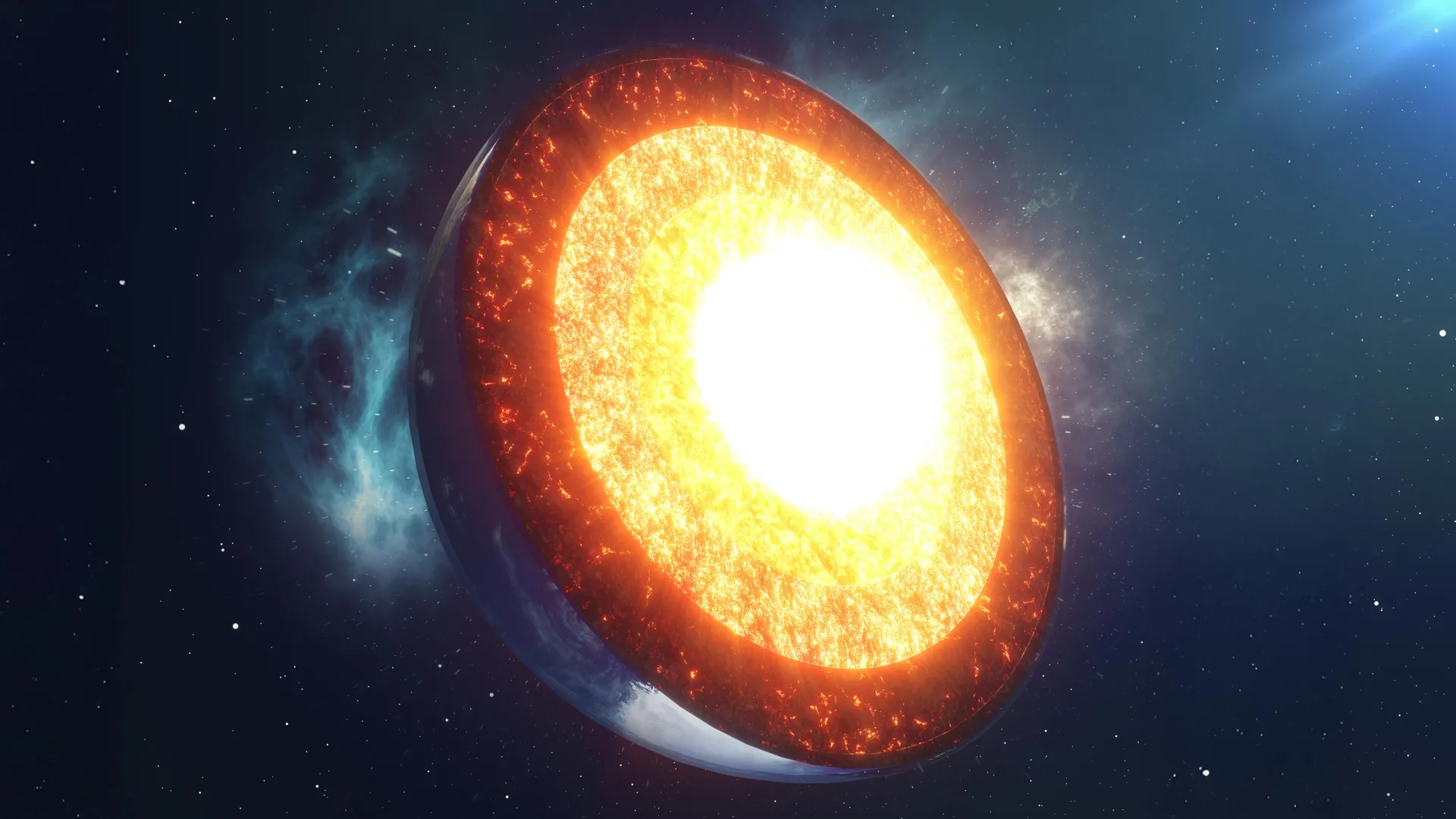
The solid inner core is about the size of Pluto, spinning inside a liquid outer core, and it apparently can't sit still. That wobble tugs on the planet's rotation just enough to stretch or shrink our day by milliseconds across decades. I find that both delightful and humbling.
We treat 24 hours as a constant, but it's a running average from a world that is always adjusting itself. If the core is shifting mass around, it changes Earth's moment of inertia, and the whole planet speeds up or slows down like a skater pulling in her arms. The effect is tiny, but it accumulates, and it matters for keeping atomic clocks in sync with the heavens.
I'd want to know whether this wobble is periodic or a one-off drift, and whether it interacts with other known factors like glacial rebound or the molten core's magnetic field. The inner core is the most inaccessible place we could imagine, yet it's telling us about the deep time of our planet. That's a good reminder that the most familiar rhythms are still mysteries in motion.