El Paso Officials Seek Answers Following Emissions at Marathon Refinery
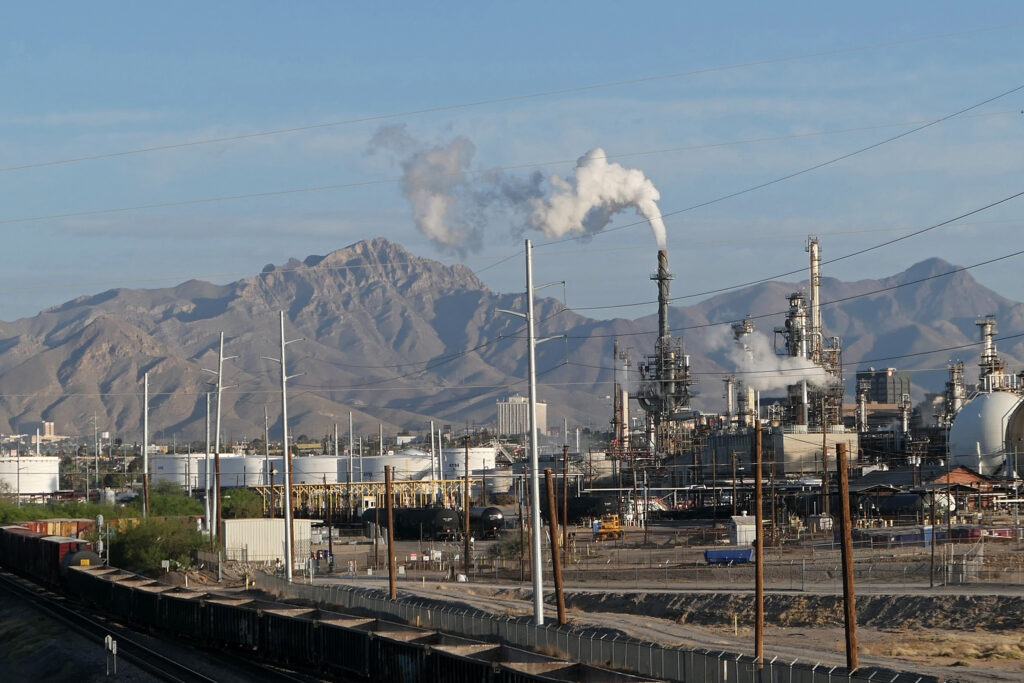
The tearful testimony of Gilbert Morales before the El Paso City Council is not just a personal tragedy; it is a regulatory indictment. When a nonsmoker who lives next door to a major refinery dies of lung cancer, the statistical abstraction of "emissions data" is violently replaced by a harsh, local reality. This is the story of the fenceline—where permits and pollution models meet the breathing lungs of residents.
This moment signals a critical shift in the environmental justice landscape. Communities are no longer waiting for federal agencies to act; they are demanding answers at the municipal level, forcing elected officials to confront the gap between legal emissions and public health. It connects to a broader national reckoning where refineries and chemical plants face mounting scrutiny over cumulative, often under-reported, exposures that standard air quality monitors fail to capture.
The city council's search for answers is a proxy battle for every industrial corridor in America. The question is no longer if these emissions are harmful, but who is accountable when the harm becomes a death certificate. For Marathon Petroleum, the cost of doing business just gained a human face in a council chamber.
The data can be modeled, but risk cannot be teared up. The district must decide whether compliance is enough, or whether proximity is a right to clean air.
{"key_insight":"Refinery disputes are shifting from emissions thresholds to proximate public health outcomes, forcing local governance to act as a de facto environmental court.