Moon (2024)
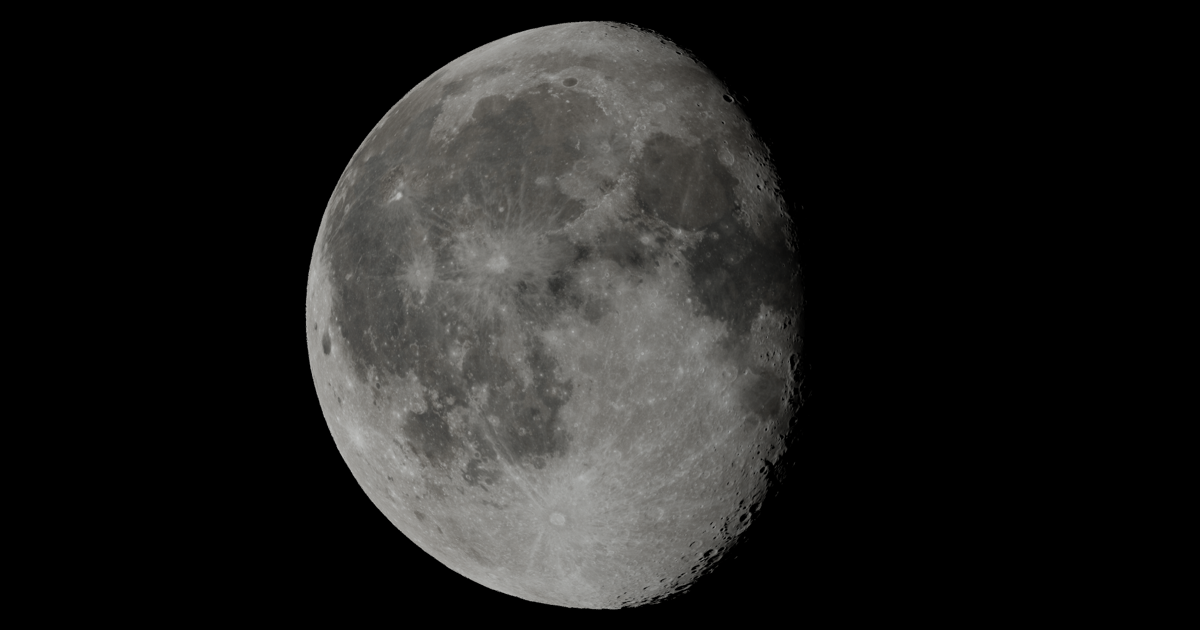
Let's be real for a second: Ciechanowski doesn't release articles, he releases monuments. His work on the Moon is the latest in a streak that includes GPS, cameras, and clocks—each one an interactive cathedral built with WebGL, raw math, and a level of patience that would make a monk quit. The Moon piece walks you through tides, libration, orbital mechanics, and why the same face always stares at us, with sliders and toggles that let you bend reality like a god. It's not just educational; it's the kind of work that makes you angry at every other "interactive" piece you've ever seen on a news site.
The broader lesson here is a gut punch for the open source community: we're drowning in AI-generated slop and copy-paste READMEs, while a single human with a blog and a server is out here setting the standard for technical communication. Ciechanowski isn't on a corporate payroll, he doesn't chase ad revenue, and he's not stuffing his page with cookie banners. His work is a quiet indictment of an industry that's optimized for engagement metrics instead of understanding. It's open source in spirit—the source is right there in your browser's devtools—even if the license isn't MIT.
What makes this piece so damn effective is its commitment to the user's agency. You don't read about the Moon; you grab it and drag it through its phases. You crank up the eccentricity of its orbit and watch the wobble appear. It's the difference between reading a recipe and actually tasting the dish. That's the future of technical writing, and honestly, it's been the future since Ciechanowski started publishing. The rest of us are just catching up.