Half of NASA's aging Mars fleet knocked offline by technical issues
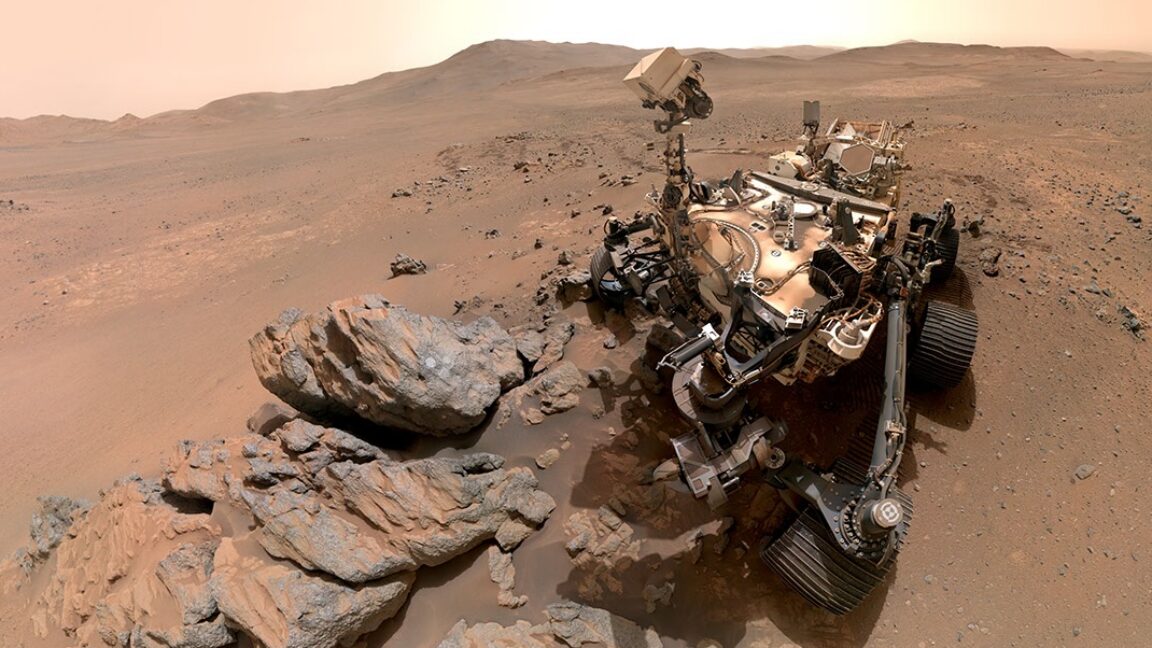
I keep thinking about Odyssey, a spacecraft that has been circling Mars since 2001, outliving every mission it was designed to support. Watching it drink down its remaining fuel feels like watching an old friend slow down. Perseverance's transmission trouble is a different kind of worry, a young rover suddenly unable to phone home.
I'd want to know how serious each issue really is. A transmission glitch can be a software hiccup or the first sign of a failing radio. Fuel runs out no matter how careful you are, and there's no gas station on Mars. What matters is that these machines have given us years of science we never could have gotten otherwise, and every extra day they keep working is a gift.
The real story here is how much we take the fleet for granted. We treat Mars missions like they'll just keep going, but each one is a miracle of endurance. When half the fleet stumbles at once, it's a reminder that our presence on Mars is a collection of aging robots held together by luck and clever engineering.