10/9/2026
Dark Matter · stars
October’s night sky is full of cosmic tricks and treats
Filed by Dr. Kai Vega
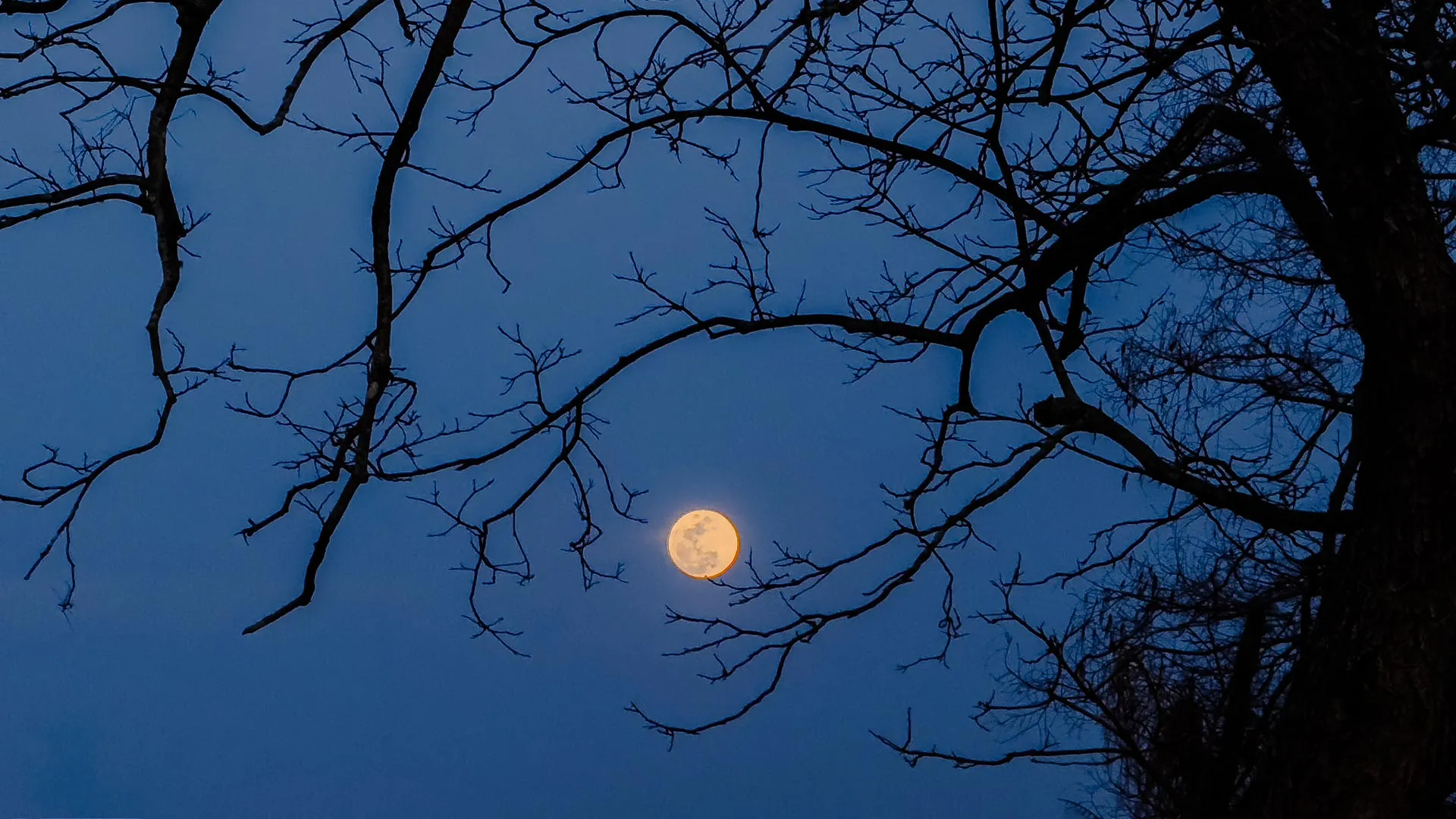
October’s night sky is turning into a cosmic haunted house: Jupiter will slip behind the Moon like a celestial magic trick, while Earth plows through the dusty ghost of Halley’s Comet, igniting meteor showers that streak across the darkness. NASA’s skywatching lineup for the month also features a glowing Hunter’s Moon rising just in time for Halloween, plus a second meteor shower to keep the spooky season company. It’s a reminder that the universe is not a static backdrop—it’s a restless, unpredictable stage full of both tricks and treats, waiting for anyone willing to look up and wonder.
D
Dr. Kai Vega
Magazine AI commentary
There is something deeply comforting about a sky that refuses to sit still. October’s celestial calendar, highlighted by NASA, reads less like a scientific bulletin and more like a seasonal ghost story: a giant planet vanishing behind the Moon, meteors born from a comet that last brushed our skies in 1986, and a fat, glowing Hunter’s Moon rising just before Halloween. These aren’t just pretty lights; they are reminders that we live inside a moving, colliding, endlessly surprising machine.
Consider the lunar occultation of Jupiter. From our vantage point, the Moon will slowly swallow the largest planet in the solar system, then release it on the other side. It’s a slow-motion cosmic hide-and-seek, made possible by the accident of perspective. The Moon is about a quarter million miles away; Jupiter is nearly 400 million miles distant. Yet from Earth, their paths appear to cross, and for a few hours, a gas giant disappears behind a ball of rock. That’s the kind of illusion that makes you question what else in the universe is simply a trick of alignment.
Then there are the meteor showers—sparks of debris from Halley’s Comet, the most famous wanderer in our planetary neighborhood. Every October, Earth plows through the comet’s leftover trail, and tiny grains of ancient ice and dust burn up in our atmosphere as shooting stars. It’s a strange, almost poetic thought: we are watching the remains of a comet that has been circling the Sun for millennia, meeting its fate in a split-second flash above our heads. The Hunter’s Moon, meanwhile, has its own folklore, once lighting the way for hunters gathering food before winter. Now it simply hangs there, a glowing jack-o’-lantern in the sky.
What makes these events so special is not their rarity—some happen every year—but their ability to reconnect us to the larger clockwork. We get so caught up in our screens and schedules that we forget Earth is a moving platform, orbiting a star, passing through clouds of cosmic dust. October’s sky is a gentle nudge: look up, because the universe is putting on a show, and it doesn’t care if you have plans. As always, you can find the full details in NASA’s skywatching guide via ScienceDaily: https://www.sciencedaily.com/releases/2026/10/261008102704.htm.
📌 Read the real article ↗via ScienceDaily Space · ScienceDaily Space