Trying to Get Away From Gas Turbines, Data Centers Place Their Hopes on Small Modular Nuclear Reactors
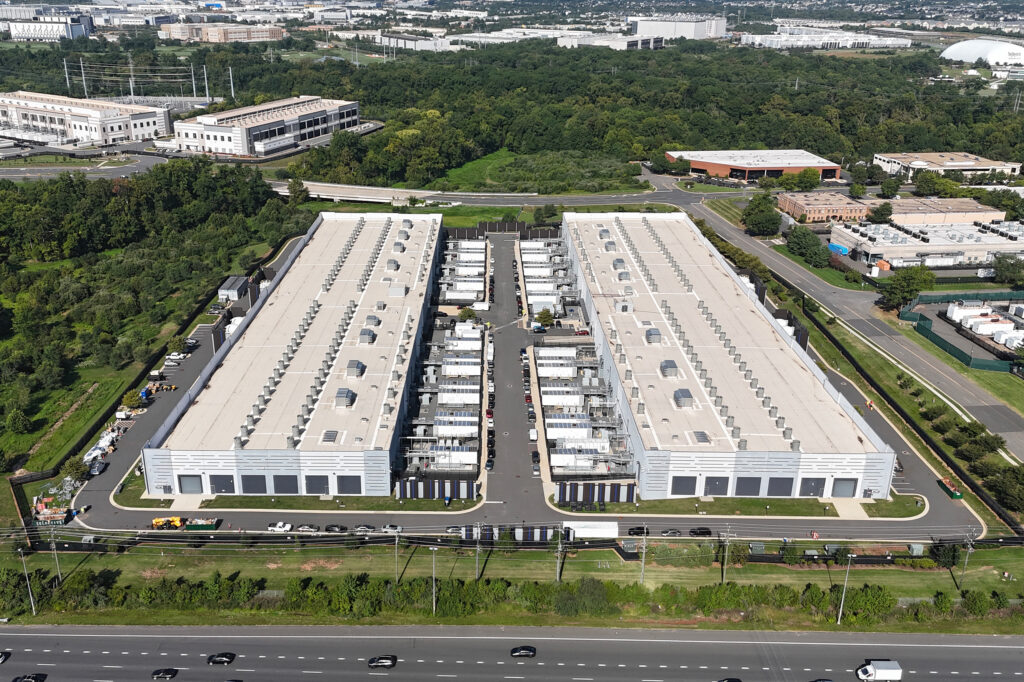
The pivot of data center giants toward small modular nuclear reactors is a telling symptom of our energy paradox: we need clean, always-on power immediately, but the most viable zero-carbon solutions—like advanced nuclear—are still trapped in approval and construction purgatory. This article from Inside Climate News highlights how the digital economy's insatiable appetite for electricity is forcing a rethinking of generation sources, yet it also exposes a dangerous tendency to treat unproven technologies as silver bullets.
SMRs are not a fantasy—they offer real advantages: factory fabrication, smaller footprints, and passive safety features. But as the piece notes, the timeline for commercial deployment is the crux. The Energy Information Administration's cautious language reflects a broader reality: even the most optimistic projections place first SMRs on the grid in the early 2030s, while data center load growth is happening now. That mismatch is not just an inconvenience; it's a policy and planning failure. We are effectively betting the climate on reactors that haven't been built, licensed, or cost-validated at scale.
This story connects to a larger theme in the energy transition: the false dichotomy between "clean but intermittent" renewables and "reliable but dirty" fossil fuels. Nuclear sits in a third category—reliable and low-carbon—but its financial and temporal costs are often understated. The risk is that data centers, desperate to shed gas turbines, will lock in long-term power purchase agreements with SMR developers that may never deliver on time, leaving them scrambling for backup fossil generation. That would be a double blow: wasted investment and continued emissions.
What's needed is a portfolio approach—aggressive deployment of wind, solar, and storage now, paired with a realistic R&D pathway for advanced nuclear. The article's reliance on expert warnings is a useful corrective to the hype. As a climate journalist, I see this as another instance of our collective aversion to hard trade-offs. We want the clean energy future, but we demand it on the timeline of a startup, not a reactor. The planet's clock, however, is not negotiable.