Error in a Recent BLM Lease Sale Has Wyoming Residents Concerned Over New Oil and Gas Rules
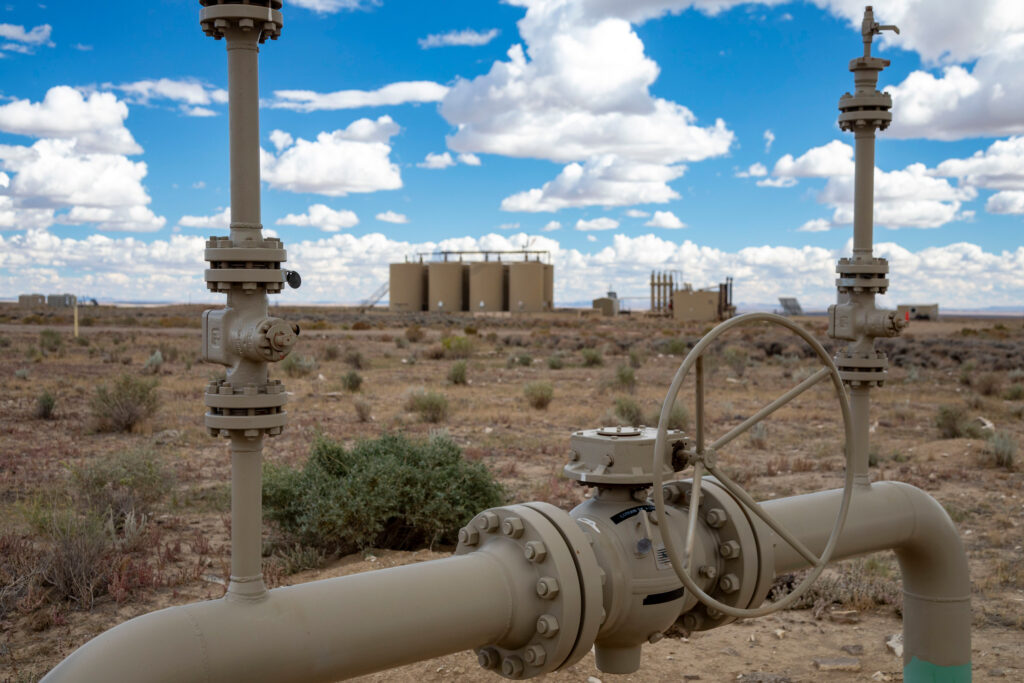
On the surface, a clerical error in one BLM lease sale might seem like a bureaucratic footnote. But in the context of the administration’s aggressive push to expand fossil fuel extraction, it reads as a symptom of a deeper malfunction. When agencies are told to produce more leases faster, mistakes are inevitable—yet those mistakes are made on land that holds carbon, wildlife habitat, and the livelihoods of people who depend on Wyoming’s landscape. The concern voiced by residents is not merely about paperwork; it is about whether the federal government can be trusted to lead the energy transition without leaving a trail of procedural and environmental damage.
The “energy dominance” agenda fundamentally reorders the relationship between federal public lands and fossil fuel companies. It treats speed and volume as success, while environmental review, public comment, and accuracy lose standing. This incident suggests that the BLM is already struggling to keep its own records straight, even before the expected surge in lease sales. If routine documentation fails, how can the agency be expected to enforce methane standards, protect groundwater, or account for cumulative climate impacts from the thousands of wells such leases enable?
This is also a reminder that public lands are not abstract economic zones—they are places where the consequences of deregulation land tangibly. Wyoming residents know what boom-and-bust extraction cycles do to communities: strained infrastructure, health risks, and a landscape left to recover long after the profits leave. When the federal planning process becomes less careful, those communities are asked to bear more of the climate and ecological burden, all to serve an energy policy that the science increasingly says we must leave behind.
The deeper story is about institutional capacity. A government asked to do more, faster, with less review does not become more efficient—it becomes more dangerous. Whether through sloppy lease documents or weakened environmental rules, the damage compounds over time. Climate Watch will be following this closely, because every “small mistake” on public land is a reflection of a larger choice to prioritize extraction over stewardship.