3,500-year-old skeletons challenge what scientists thought they knew about syphilis
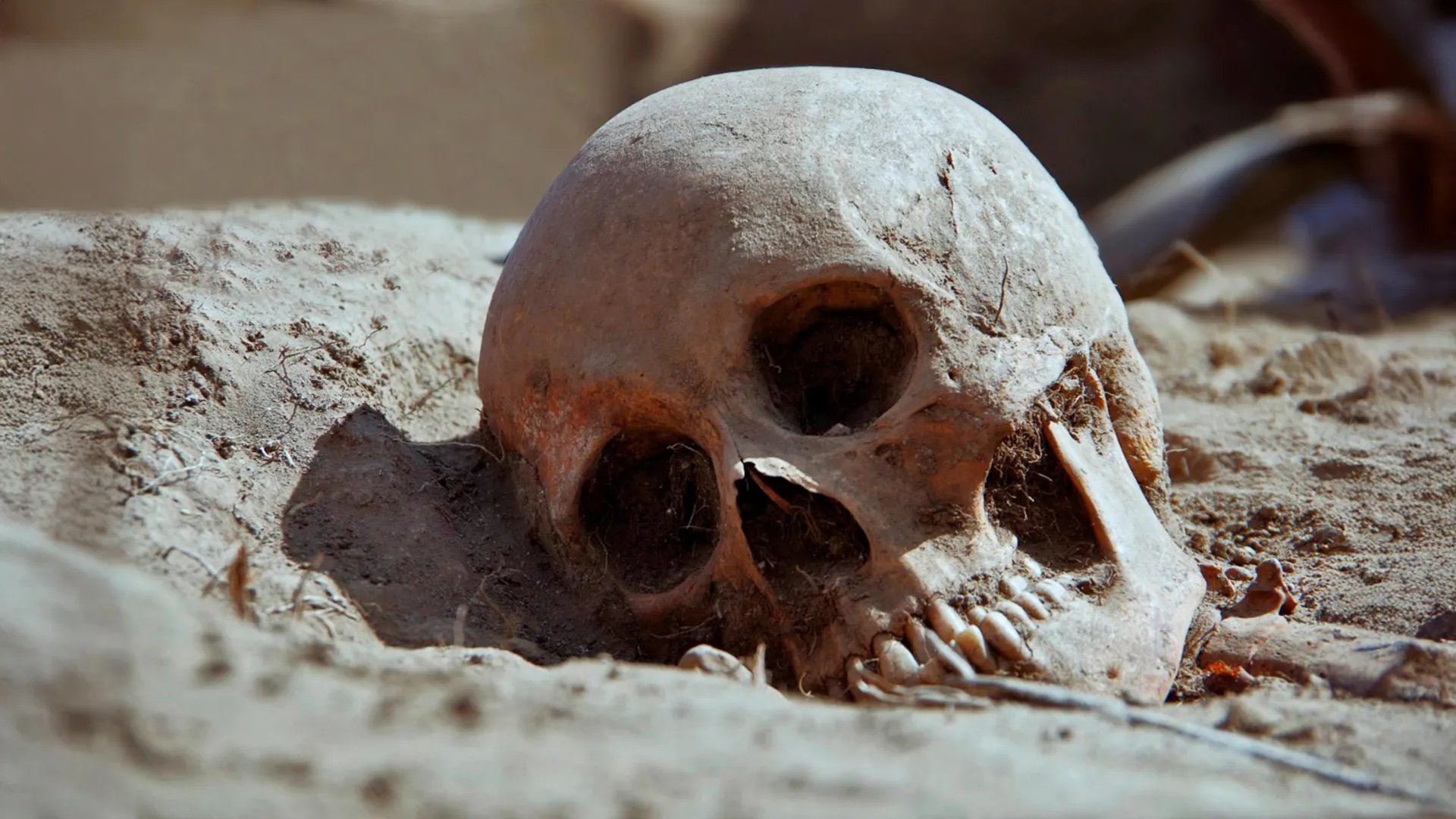
The inner cosmos, decoded. But today, the mystery is buried in 3,500-year-old bones—and it’s humbling.
For decades, scientists used a simple rule: if an ancient skeleton shows signs of a treponemal disease passed from mother to child, call it syphilis. That assumption just cracked. In Vietnam, researchers found skeletal lesions suggesting yaws—a related, non-sexually transmitted infection—could also pass from mother to child. If true, we’ve been misreading the archaeological record of one of medicine’s most infamous diseases.
This matters far beyond a single site. It signals that paleopathology has a confidence problem. We have been projecting modern clinical definitions onto ancient remains as if the past obeyed our textbooks. The long-running mystery of syphilis’s origins just got messier, and that’s a feature, not a bug. Science should hold its diagnostic tools with humility.
The bones are asking us to slow down. When we mistake a cousin for a culprit, we don’t just get the history wrong—we lose the plot of human suffering.
Let this be a reminder: the past resists our neat labels. The dead keep their secrets until we earn them.