Metal Particles From Joint Replacements Can Reach Your Brain, Study Finds
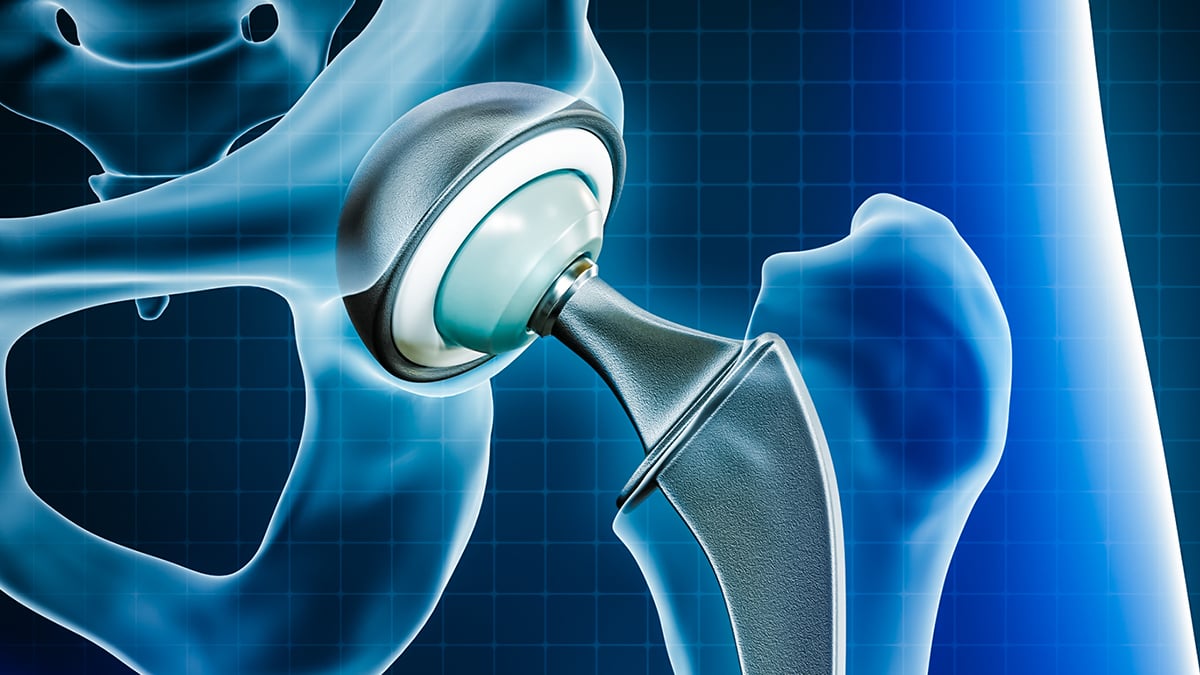
The hip replacement that lets you walk without pain is also shedding microscopic metal shavings, and a new study says those particles can travel through the bloodstream and settle in the brain. That sounds alarming until you read the silver lining: the brain seems to handle this metallic intrusion better than expected. I find that strangely comforting.
We tend to think of the brain as a sealed chamber, protected by the blood-brain barrier, but here's proof that the boundary is more porous than we imagine. The body keeps quiet about what it harbors. We get the joint replaced, we get on with life, and somewhere in the gray matter a few tiny flecks of cobalt or chromium take up residence. Whether they matter is another question.
I'd want to know more about what "handling it better" means in the long run. Does the brain just tolerate these particles, or does it actively neutralize them? And how many of us are walking around with these metallic souvenirs without ever knowing? For now, I'm less worried about the shavings and more interested in what else modern medicine leaves behind that we haven't noticed yet.