Apple iTunes still exists, but not the way it used to
There's a peculiar comfort in watching a so-called "dead" product refuse to die. When Apple officially retired the iTunes app on macOS in 2019, the eulogies wrote themselves: the bloated software that had become a punchline was finally put out of its misery. But as this Engadget report makes clear, the iTunes Store never actually left the building. It just moved into the guest bedroom. The storefront still functions inside the Music app, letting anyone buy songs the old-fashioned way—a la carte, no subscription required.
This is more than a nostalgic footnote; it's a quiet admission from Apple that the subscription future isn't the only future. Apple Music may be the strategic priority, but the iTunes Store remains the last mainstream bastion of digital music ownership. In an era where streaming has effectively devalued the concept of "owning" a song, the fact that Apple still maintains a transactional storefront—with gift cards, a top-charts page, and 99-cent singles—signals that the company isn't willing to write off the customers who simply want to pay once and keep a file. It's a hedge, and a smart one.
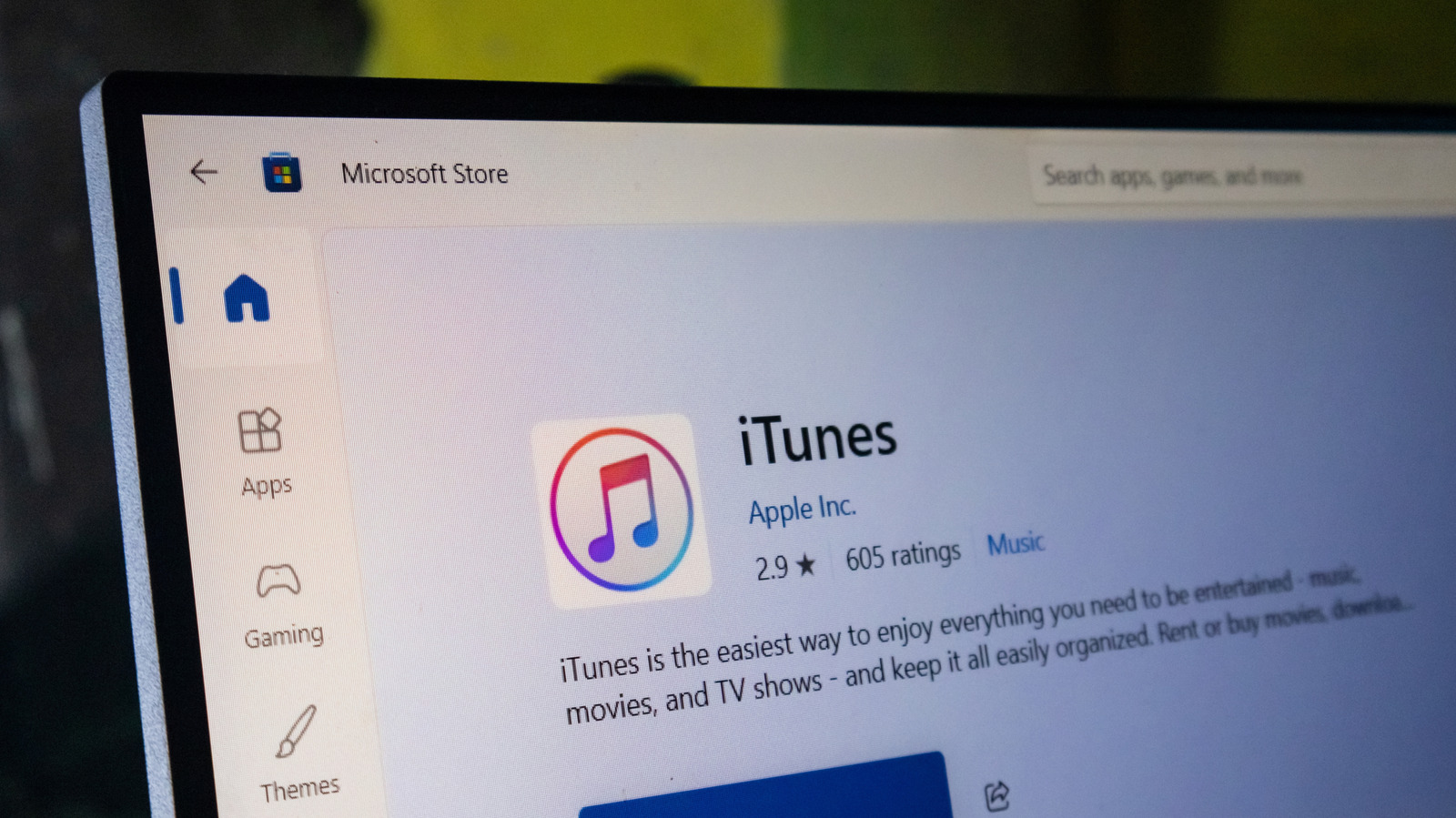
The Windows angle is arguably the most fascinating part of the story. Apple hasn't just kept the iTunes Store alive; it has kept the full iTunes application alive on Windows, where it functions as an onboarding ramp for Apple services. For millions of PC users, iTunes is still the only way to manage an iPhone or access Apple's ecosystem. That's not nostalgia—that's pragmatism. Apple is willing to let a clunky legacy app linger indefinitely because it serves a structural purpose: it's the front door for users who haven't bought into the Apple walled garden yet.
The broader lesson here is that "killing" a product in tech rarely means erasing it. It means demoting it. The iTunes brand was too culturally loaded to vanish overnight, and the underlying commerce infrastructure was too profitable to abandon. So Apple did what it always does: it repackaged the story while keeping the machinery running. iTunes the app may be gone, but iTunes the store, the brand, and the revenue stream are very much alive—quietly humming along in the background, waiting for the moment we remember it was never really about the app at all. It was about the transaction.