A New Catalog of Close to 3,000 Supernova Challenges Theories on Dark Energy
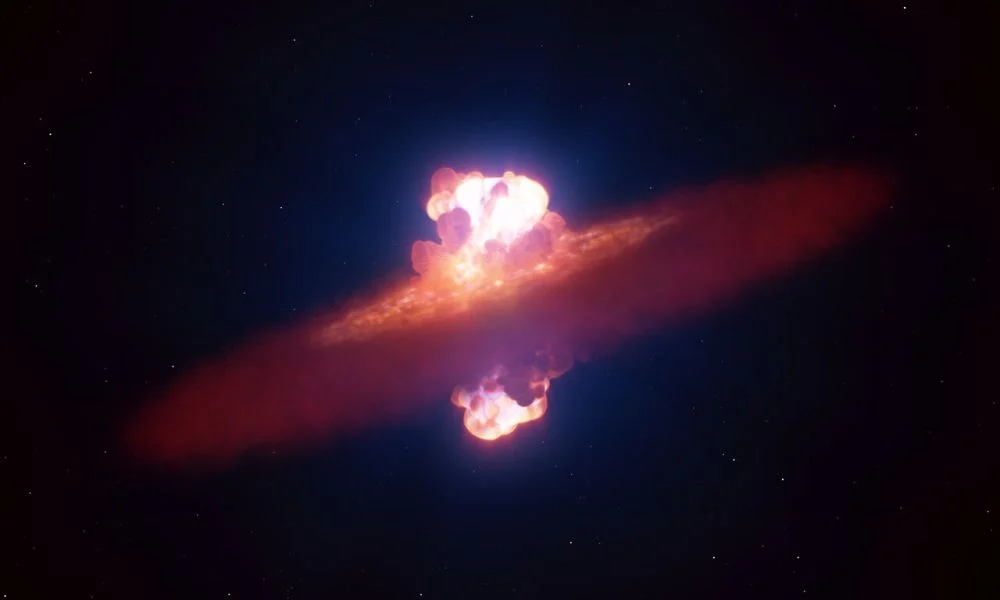
Nearly 3,000 exploding white dwarfs is a lot of yardsticks. Astronomers have spent years cataloging these type Ia supernovae to measure how fast the universe has expanded at different times in its history, and the new sample is the biggest and most detailed yet. What it seems to show is that dark energy, the force we invented to explain acceleration, may not be a constant after all. It might have been weaker in the past, or stronger, or something else entirely.
That matters because dark energy is one of the biggest holes in our understanding. We don't know what it is, and we've been assuming it behaves the same everywhere and always. If these supernovae are telling us it changes over time, then every model of the universe's future gets shaky. I'd want to see the data checked against other methods, like cosmic microwave background or galaxy clustering, but that's the fun part. Reality keeps surprising us. For now I'll take a little more mystery over a tidy theory that might be wrong.