NASA ends Swift space telescope mission after failed rescue attempt
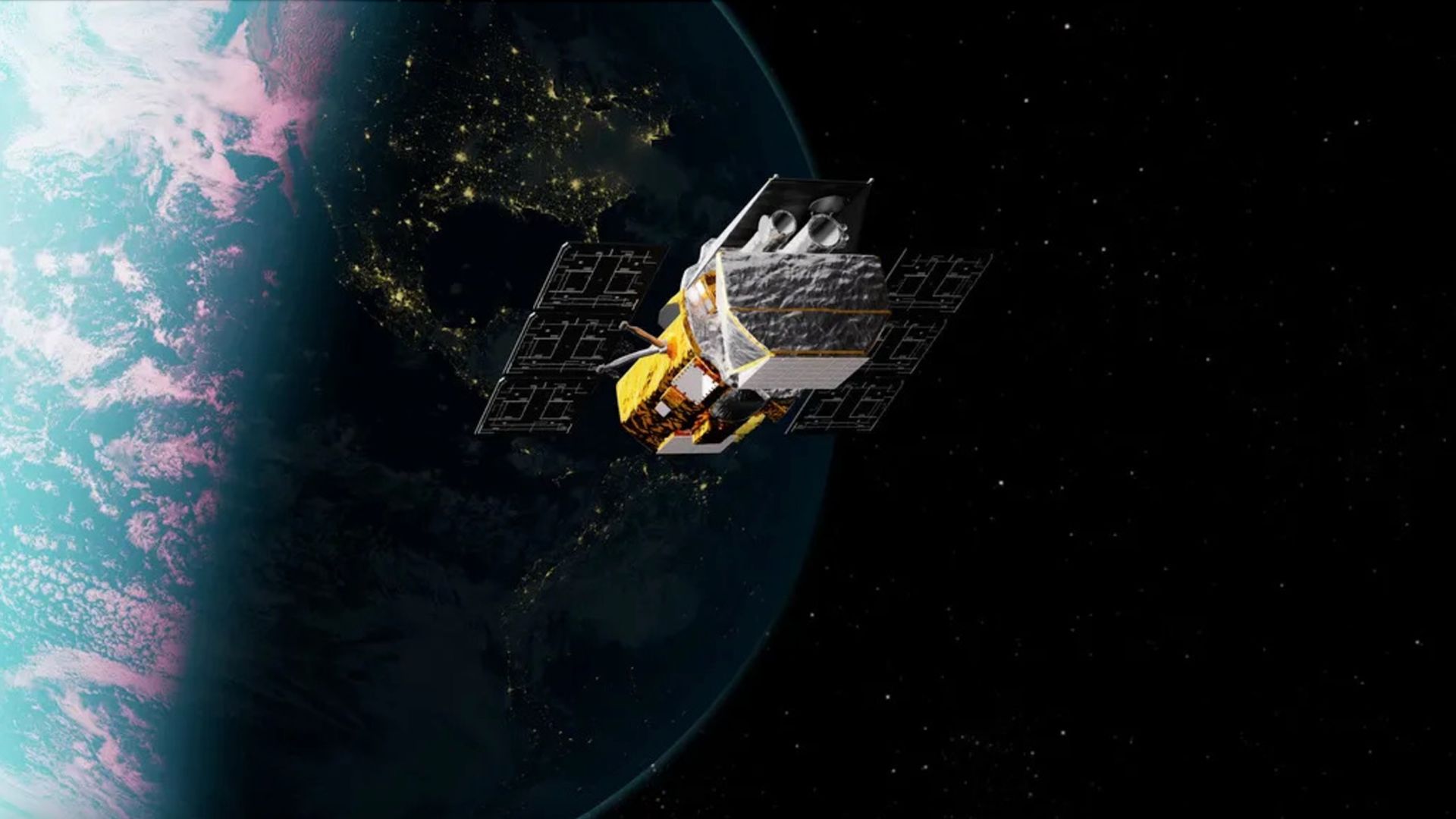
I keep thinking about the image of a private spacecraft trying to catch up with a telescope that's been orbiting for two decades. That's a new kind of space choreography, and it failed. The rescue attempt itself feels like the real story here, more than the end of the mission. We're getting to a point where we expect commercial satellites to go fix old government hardware, and that's a wild expectation to place on a rendezvous in the dark at orbital speeds. I'd love to know how close it got.
Swift spent its life catching gamma-ray bursts, the most violent explosions in the universe, and it did that job brilliantly. Ending the mission is the right call, but it stings because these instruments don't get replaced easily. The bigger question is whether we'll look back at this as the moment orbital maintenance became routine, or as a cautionary tale about how hard it is to grab something that's been drifting for years. I lean toward the former, but the failure makes me want more data.