As Water Pollution Concerns Grow in Iowa, So Do Fertilizer Industry Profits
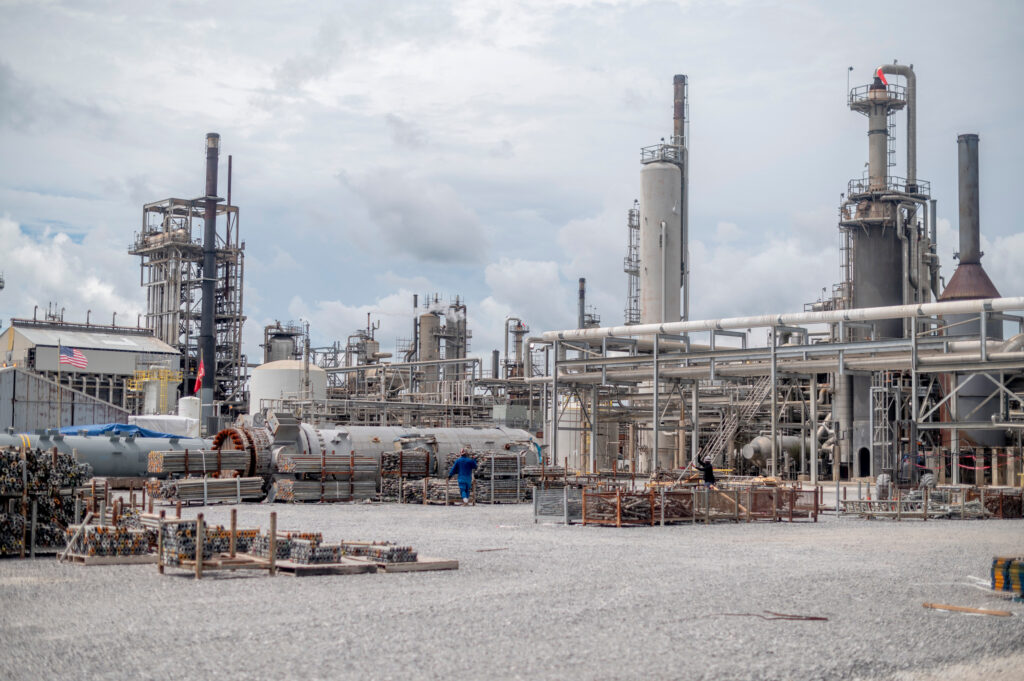
This story is a stark reminder that environmental harm and corporate profit often move in lockstep. While Iowans struggle with contaminated tap water and farmers face soaring fertilizer prices, the companies selling those very inputs are celebrating bumper earnings. It’s a classic case of externalized costs: the true price of nitrogen pollution—in health, cleanup, and lost ecosystem services—isn’t reflected on any balance sheet.
The deeper issue is structural. We’ve built an agricultural system that depends on synthetic fertilizers, and the companies that supply them have consolidated enormous market power. When profits are this concentrated, there’s little incentive to innovate toward less polluting alternatives. Instead, we see a cycle: cheap food (and ethanol) on the surface, but hidden costs piling up downstream. The fact that towns like Des Moines are suing upstream drainage districts while fertilizer executives cash in shows how broken our accountability mechanisms are.
What’s missing is a policy framework that prices in the environmental damage—whether through a nitrogen fee, stricter runoff regulations, or stronger support for precision agriculture and cover crops. Until then, we’ll continue to see this perverse outcome: the more we pollute, the richer a few get. That’s not just an Iowa problem; it’s a warning for every region where industrial agriculture meets fragile water systems.