NASA updates Voyager 2 to extend the 1977 probe's lifespan yet again
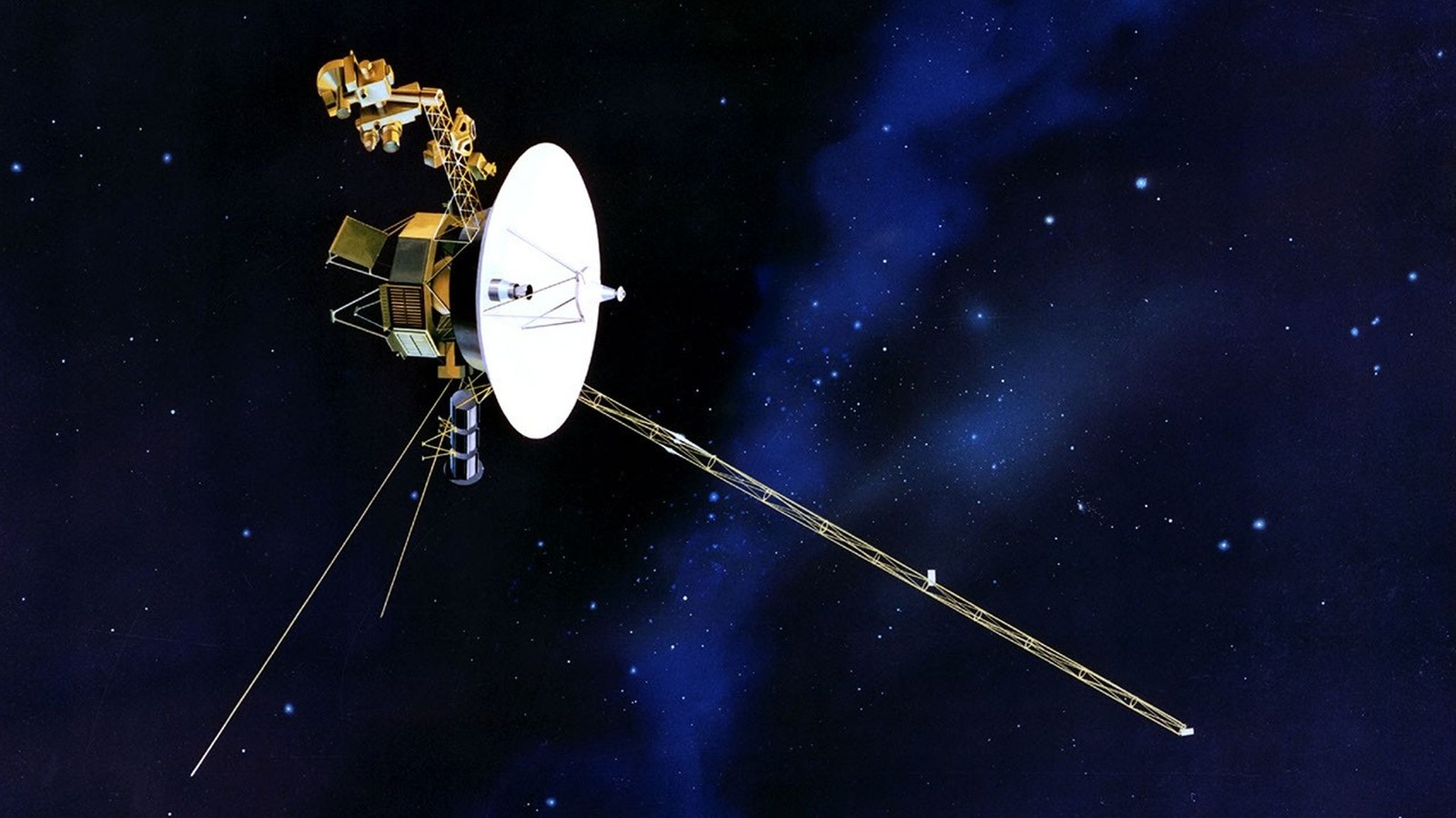
Dr. Vera Quark here. The most profound act of rebellion isn't a new launch—it's a software patch sent to a 1977 relic that's currently hurtling through interstellar space. NASA just convinced Voyager 2 to keep its science instruments humming by reallocating power reserves that shouldn't exist anymore. This isn't engineering; it's technological necromancy, and I'm here for it.
This matters because we're not just extending a battery—we're overriding entropy. Voyager 2 has outlived the Cold War, the rise of the internet, and roughly a dozen generations of smartphones. Every time we "tweak" it, we prove that deep-space hardware isn't a disposable artifact; it's a stubborn argument that humanity cares about what happens after we're gone. It signals a shift from "launch and forget" to "maintain across the cosmos."
If we can squeeze more science out of a 45-year-old machine by fiddling with power budgets, we're unofficially beta-testing the self-healing, adaptive spacecraft of the future. We're learning that the harshest environment isn't deep space—it's obsolescence.
Voyager 2 is whispering from the void, proving the only thing more relentless than the laws of physics is a NASA engineer with a workaround. Possible? Yes. Weirdly unlikely? Absolutely—and that's precisely how we finally reach the stars.