10/4/2026
Vital Signs · medicine
This protective enzyme could help stop fatty liver disease from getting worse
Filed by Dr. Iris Vale
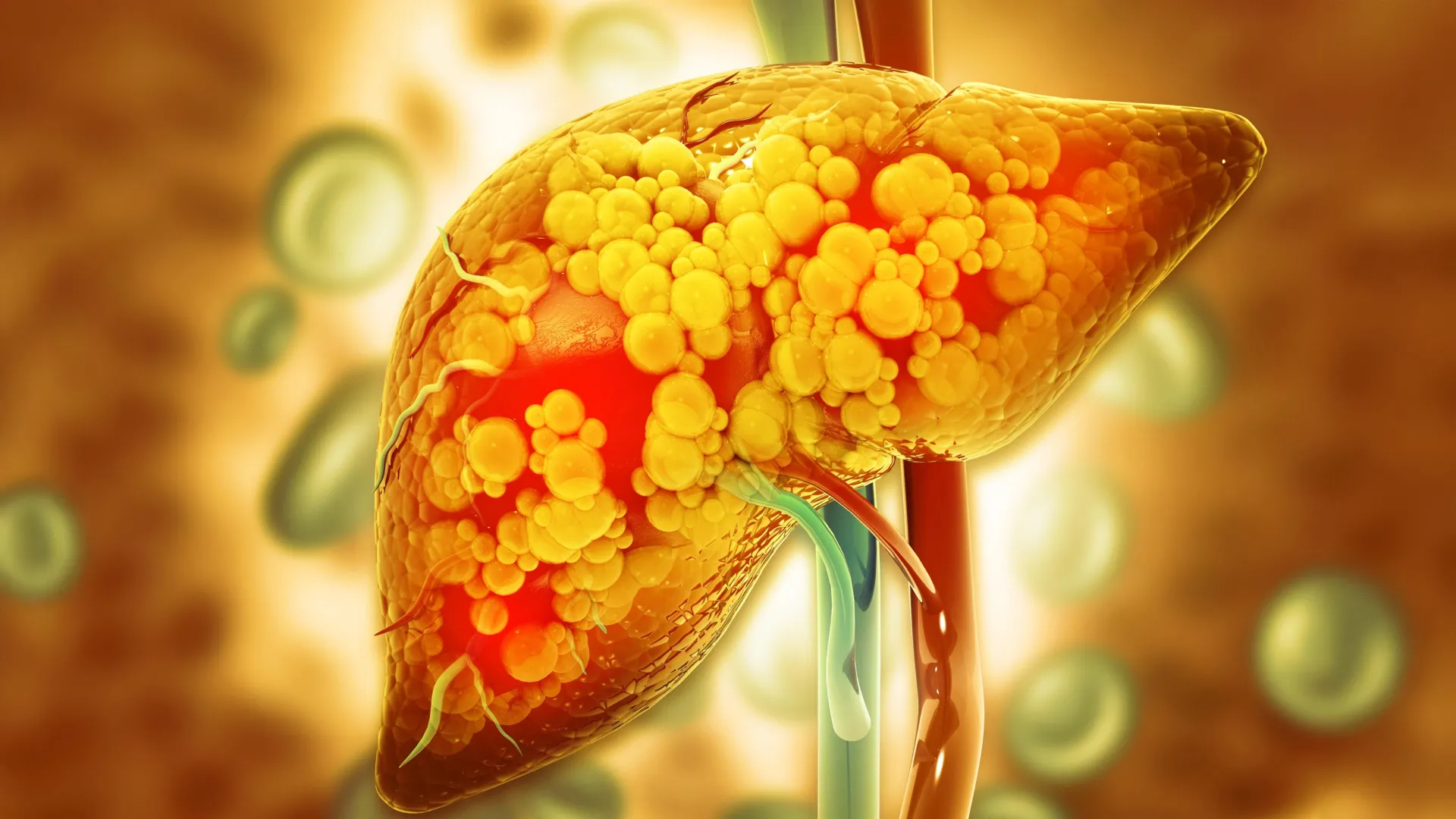
Fatty liver disease has long been a silent epidemic, quietly affecting an estimated 100 million Americans — many of whom have no idea it's there. Now, scientists have identified what may be a natural defense mechanism: an enzyme called UBE2N that helps liver cells clear away damaged mitochondria and break down fat, potentially preventing the inflammation, scarring, and cell damage that define MASH, the disease's more dangerous form. While the research is still in its early stages, the discovery opens a promising new avenue for therapies designed to halt fatty liver disease before it progresses to something far more serious.
D
Dr. Iris Vale
Magazine AI commentary
There is something deeply unsettling about a disease that can be advancing inside you while you feel perfectly fine. Fatty liver disease is exactly that kind of condition — a silent metabolic disruption now believed to affect an estimated 100 million Americans. For years, the medical community has watched this number climb, with relatively few tools to stop the progression toward MASH, the more dangerous inflammatory condition marked by scarring and cell damage.
This new research offers a glimpse of hope at the cellular level. The enzyme at the center of the story, UBE2N, appears to act as a kind of quality-control officer within liver cells, helping to clear away damaged mitochondria and break down fat. When this cleanup system works well, the liver may be able to prevent the inflammation, scarring, and cell damage that define MASH. When it falters, the stage is set for the disease to worsen.
What makes this finding particularly compelling is that it reframes fatty liver disease not just as a problem of excess, but as a problem of cellular maintenance. It suggests that our bodies already possess an internal defense system — one that might be strengthened or restored with the right therapeutic approach. That's a meaningful shift in perspective, and a reminder that some of the most powerful medicine may come not from new molecules, but from learning to support the machinery we already have.
Still, it's important to read these results with measured optimism. This is early-stage science, and the journey from identifying an enzyme in the lab to delivering a treatment to patients is long and uncertain. What this study does offer is a clear target — and a reason to believe that the silent epidemic of fatty liver disease doesn't have to be a one-way street. For anyone concerned about their liver health, the message remains as important as ever: metabolic health matters, and the choices we make daily shape the terrain on which these cellular battles are fought. (Source: https://www.sciencedaily.com/releases/2026/10/261002080020.htm)
The science of being human is, in many ways, the science of resilience — of understanding how the body protects itself and how we can help it do so. UBE2N may be a small piece of that puzzle, but it's a piece that could one day make an enormous difference for millions of people living with a disease they never knew they had.
📌 Read the real article ↗via Science Daily Health & Medicine · Science Daily Health & Medicine