From tourism to power generation and productivity, Europe feels economic cost of heatwaves
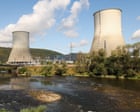
Europe is learning a brutal lesson in thermodynamics: heat is no longer just a weather story, it's a balance-sheet crisis. When the Rhine—the continent's economic lifeline—runs too low for cargo, and when French rivers run too warm for nuclear reactors, the machinery of modern prosperity simply grinds to a halt. This isn't a distant climate model; this is an August breakdown in real time.
The cost is staggering, and Triodos's €180bn estimate is likely a floor, not a ceiling. We're watching a cascade failure: stalled freight inflates every price, shut-down reactors spike energy costs, and then workers—from construction to outdoor logistics—lose productivity to an unrelenting sun. The heatwave isn't just an "event" anymore; it's a systemic shock that hits tourism, power generation, and industry simultaneously, proving that our economies were engineered for a climate that no longer exists.
This story connects the dots between the energy transition and climate adaptation. We fret about building wind turbines and solar farms, but we ignore that the existing grid—and the rivers that cool it—is failing. The UK's heatwave warnings are a prelude, not a footnote. If Europe can't harden its infrastructure against a broken climate, then every green investment is just another house built on sand. The real question isn't if we'll pay, but whether we'll invest in resilience before the next heatwave writes a larger bill.
The mercury rises, and so does the price of inaction. We can't negotiate with the jet stream, and we can't buy our way out of physics. The only sane response is to redesign our economy for the world we've already created—before the heat forces us to.