Chinese rocket explodes less than 90 seconds after liftoff
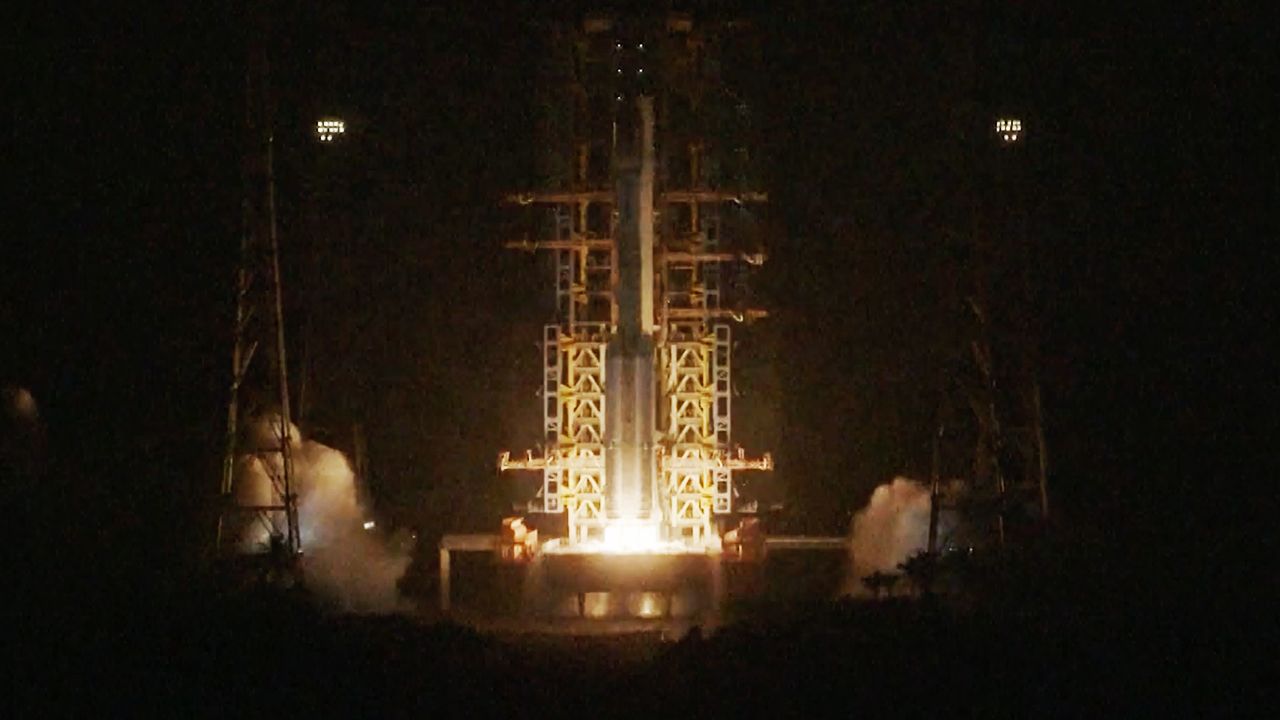
There's something strangely poetic about a rocket that vanishes in less than 90 seconds. After years of meticulous planning, thousand-degree fuels, and dreams of orbital glory, nature simply says "not today" — and the sky becomes a canvas of debris. This Chinese launch failure, reported by Space.com, isn't just an engineering hiccup; it's a vivid, real-time illustration of how brutally unforgiving space travel remains, even in the age of reusable boosters and Mars-bound ambitions.
We often romanticize spaceflight as a clean, deterministic march toward the cosmos. But the truth, as the Weird & Wild universe constantly reminds us, is that a rocket is essentially a controlled explosion steering itself between failure modes. When a vehicle disintegrates just a minute and a half into flight, it's not a sign of incompetence — it's a raw encounter with the enormous energy we harness and the razor-thin margins we navigate. Every launch is a tightrope walk over a volcano, and sometimes the rope snaps in full view of the world.
China has become one of the most prolific launchers on Earth, sending astronauts to its Tiangong station and sending rovers to the Moon and Mars. This failure likely won't halt those ambitions, but it serves as a humbling checkpoint. In the speculative spirit of Weird & Wild, we might say the rocket didn't fail — it revealed what always threatens every launch: the unyielding pull of Earth's gravity, the turbulence of the atmosphere, and the chaotic thermodynamic gulf between chemical bonds and orbital velocity. That flash of light was a shared reminder that our footprints on the Moon were never guaranteed.
What makes this event fascinating is its ordinariness. Rockets blow up sometimes. We see it, wince, and move on. Yet each failure deepens our collective story: humans learn to fly not despite the crashes, but through them. We'll keep watching these eager machines leap skyward, half-expecting the fireworks, and half-hoping for a miracle. And when the sky turns orange, we're reminded that exploration isn't safe — it's just undeniably worth it.