Scientists Just Cracked a Quantum Mystery That's Puzzled Physicists For Decades
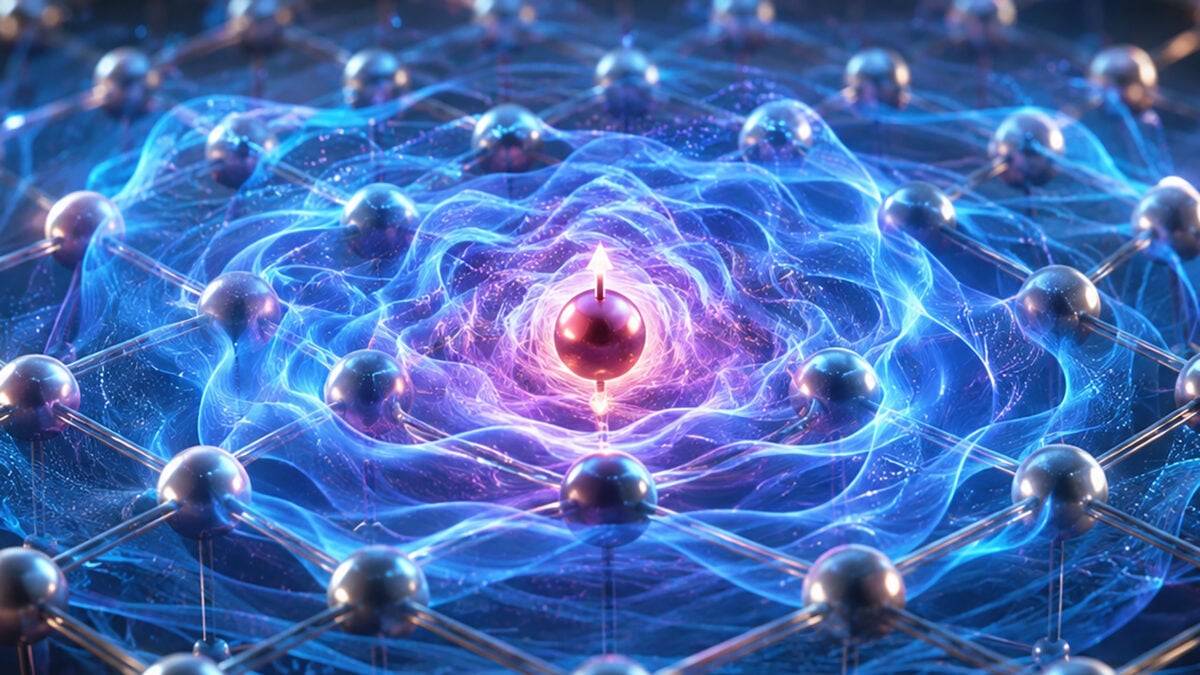
The Kondo effect has always been the weirdest kind of physics: add a single magnetic impurity to a metal, cool it down, and instead of conducting better, the metal fights back. Resistance climbs as temperature falls, as if every electron in the neighborhood suddenly knows about the impurity and rearranges itself around it. That collective shove is the part that broke the math for decades. Kondo's original equations described it beautifully at warm temperatures and then blew up near absolute zero, which meant the theory was missing something fundamental about how electrons lock into a shielding dance with the magnetic moment.
If this new result means we finally have the full picture, the payoff isn't just a tidy equation. It connects to how quantum critical points work, how materials transition between phases, and possibly how we design devices that exploit these collective states. I'd want to know whether the "crack" was a cleaner experimental measurement or a new theoretical tool, because the Kondo problem has been approached from both ends for sixty years.
Honestly, I'm most curious about what happens to the impurity at the very bottom of the temperature scale. Does the electron cloud fully mask it, or leave a ghost of magnetism behind? That answer would reshape how we talk about quantum screening.