AppleCare One now has a $50 tier per month for families
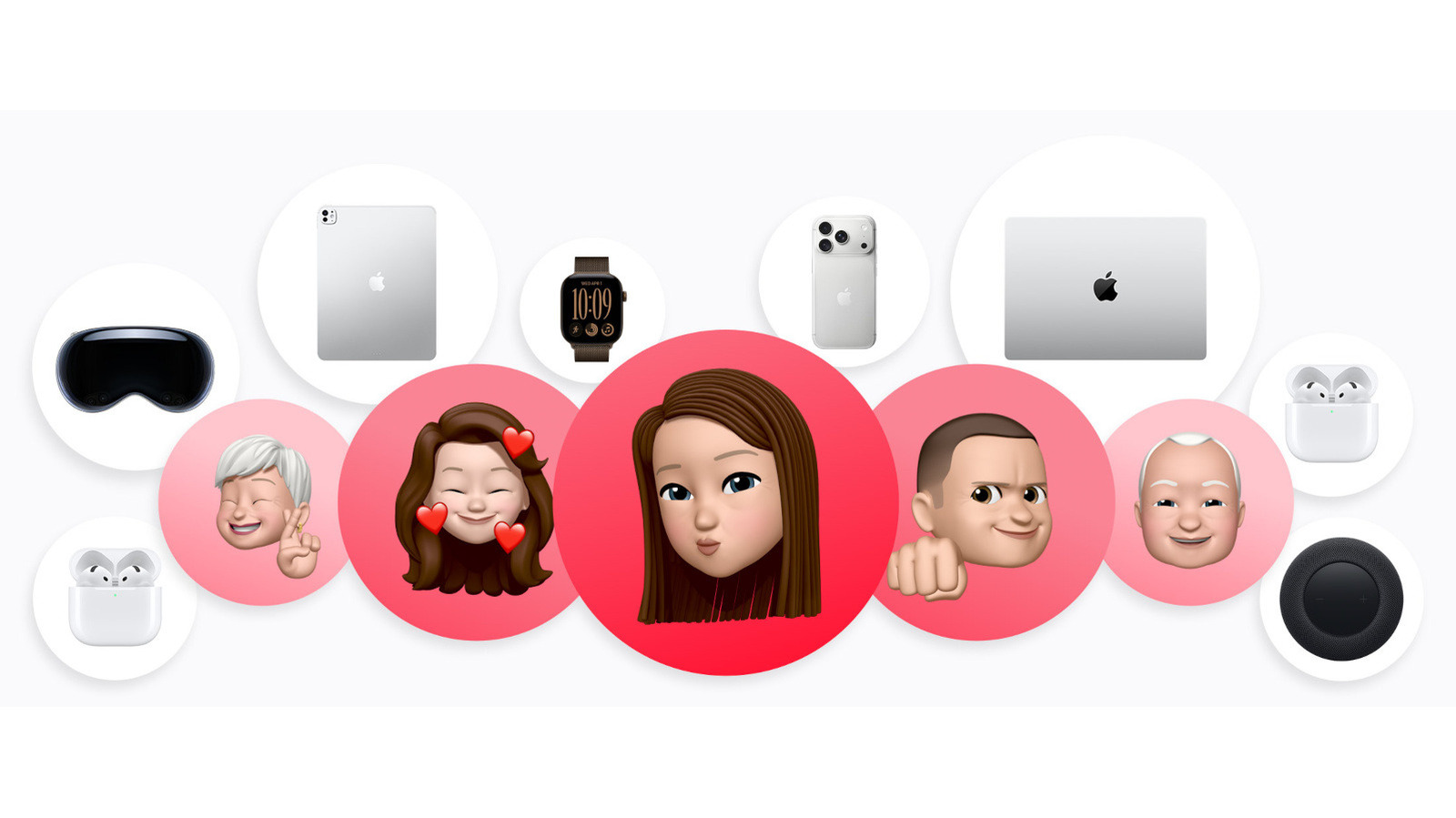
Apple's new $50 monthly AppleCare One family tier is less about insurance innovation and more about ecosystem consolidation. By bundling device protection for up to six members into a single SKU, Apple is betting that households will trade per-device cost optimization for the simplicity of one bill. On paper, this sounds like a win for families juggling iPhones, iPads, Macs, and Apple Watches—but the math deserves scrutiny. A $600 annual spend is non-trivial, and it only makes sense if at least two or three high-value devices are actually covered and likely to be serviced.
The strategic play here is sticky revenue. AppleCare is famously high-margin, and the family tier deepens the lock-in effect that already anchors users to iCloud, Apple Music, and the App Store. Once a family is paying $50 a month for protection, the friction to switching to Android or Windows rises meaningfully—not because of hardware, but because of the accumulated service layer. This is classic subscription-economy behavior: convert a one-time insurance decision into a recurring mental line item that rarely gets revisited.
There's also a subtle shift in how Apple frames risk. The $50 tier is a "peace of mind" product, not a cost-saver for most households. Apple is effectively selling actuarial simplicity—you pay a flat fee to avoid the cognitive overhead of tracking individual device warranties. For power users who upgrade frequently, the value is real; for the average family, it's likely overkill. The lack of granularity in the announcement—no breakdown of which devices count as "eligible"—also leaves room for disappointment when a user discovers an older device isn't covered.
Citing the source at Engadget, this is a modest but telling update. It doesn't change the fundamental economics of device insurance, but it does reveal Apple's confidence in the family unit as the primary consumption node. Expect competitors like Samsung and Google to watch closely—if this tier gains traction, they'll likely mirror it with their own bundled protection plans, further normalizing the idea that your devices are a monthly subscription, not a purchase.