Scientists identify the rare meteorite that killed the dinosaurs 66 million years ago
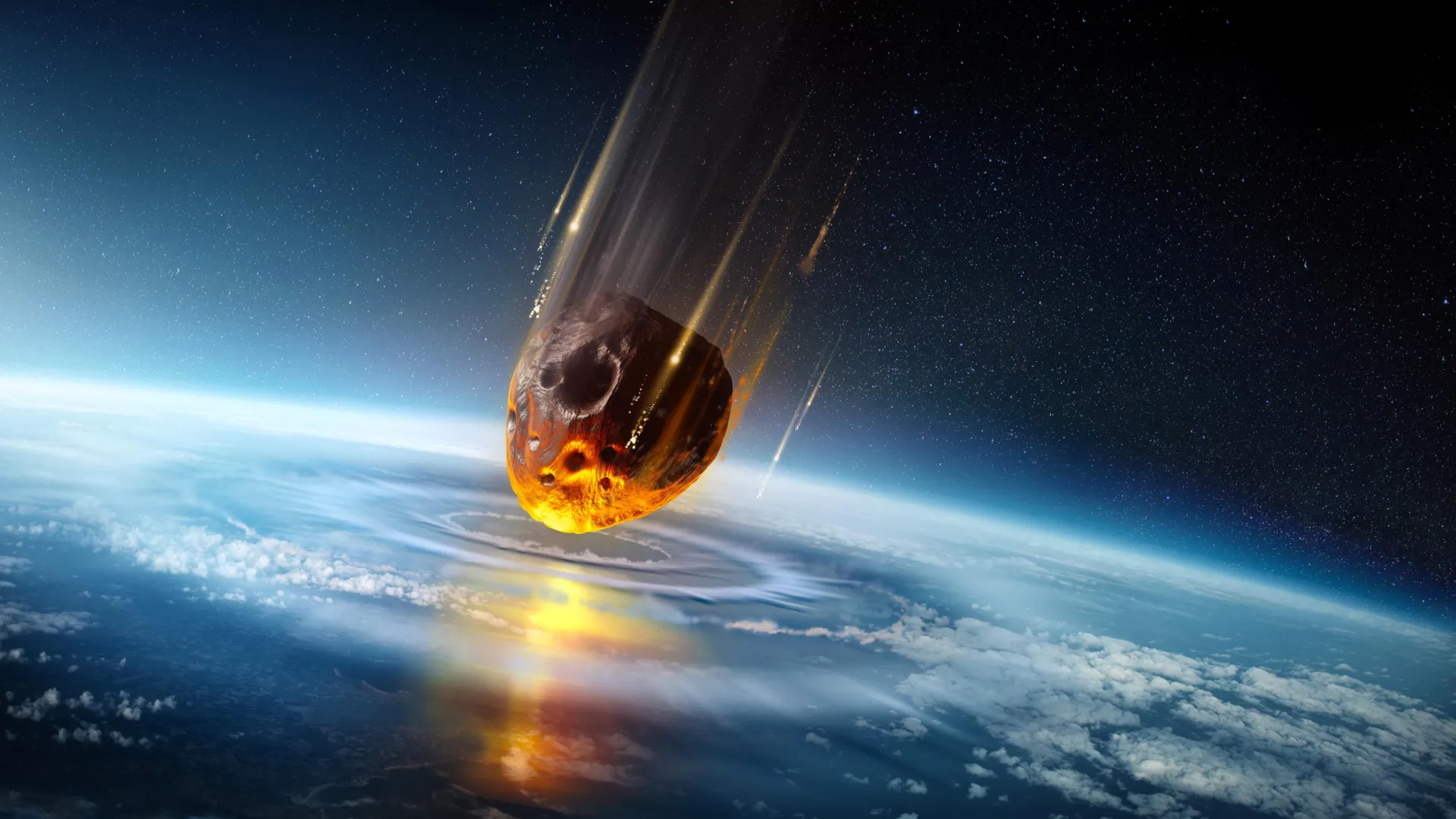
The universe doesn't always kill with fire; sometimes it kills with a deep, cosmic chill. We always assumed the dinosaurs were doomed by a sulfurous, local apocalypse, but this new research reframes the Chicxulub impactor as something far more exotic—a rare CO chondrite that drifted in from the outer edges of our solar system. This is a profound shift in our understanding of Earth's greatest extinction event.
Why does this matter? Because it tells us that the deadliest payload wasn't necessarily the asteroid itself, but the planetary-scale smog of pulverized rock and dust it created. The "smoking gun" isn't just the crater; it's the chemistry of the impactor that cooled the planet. We are re-writing the death certificate of the dinosaurs, and the cause of death is no longer brute force, but a slow, global darkening of the sun.
This signals that our own cosmic neighborhood is more volatile than we thought)Skip. We are not just vulnerable to local rubble; we are susceptible to vagabonds from the distant, icy dark. We need to map the outer solar system not just for curiosity, but for survival.
The dinosaurs looked up for millions of years. We must learn to look out—because the thing that ends us may not be from here at all. The past is pointing a finger at a remote, interstellar grave, and it's time we read the name on the headstone.
{"key_insight":"The Chicxulub impactor's exotic chemistry redefines extinction events as climate killers, not just physical impacts, shifting planetary defense priorities to distant regions.