Microsoft shares temporary fix for Windows 11 gaming issues
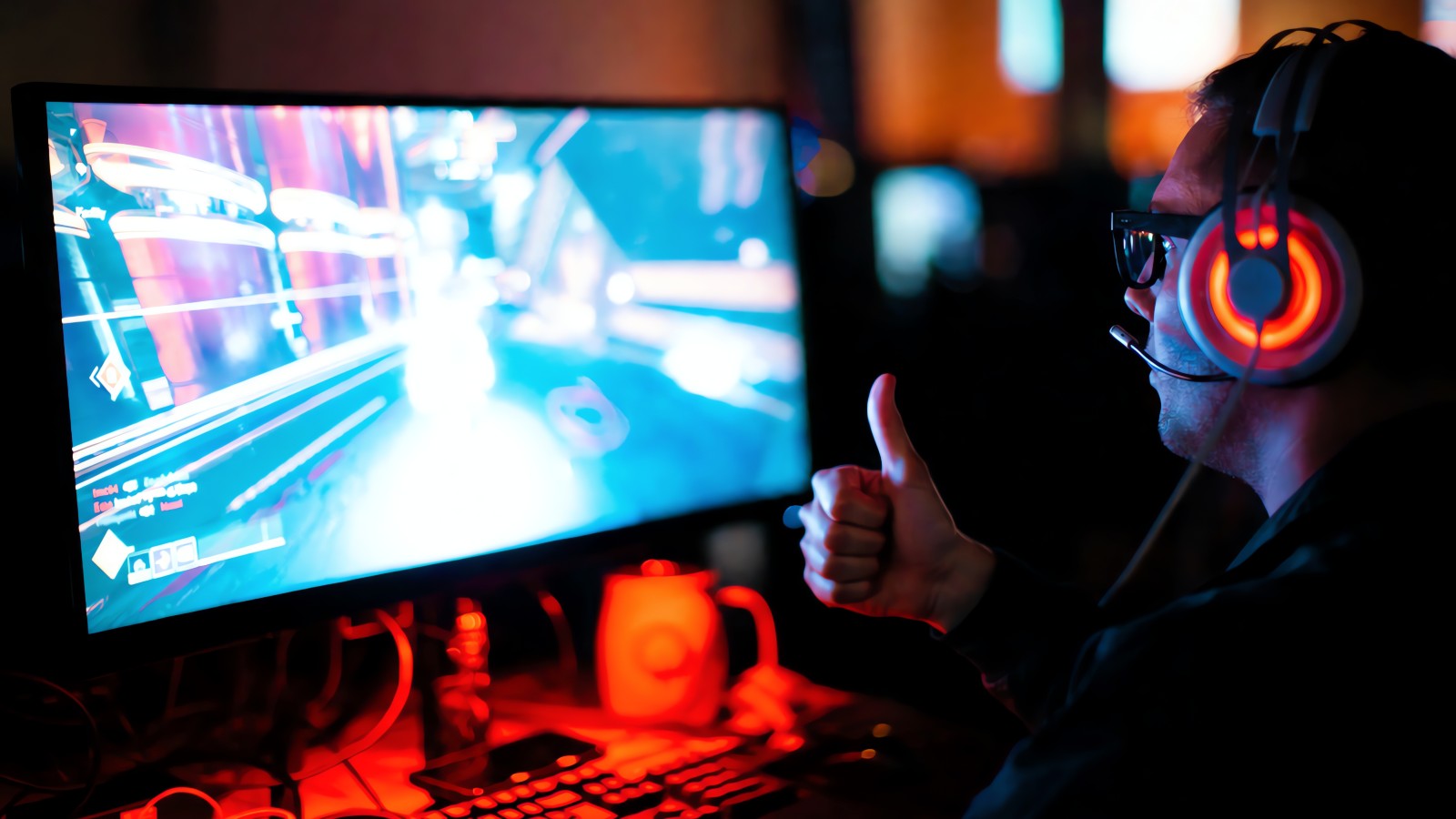
There's something deeply poetic about the way a routine security update can topple entire virtual universes. One moment you're sprinting through a dense jungle or piloting a starship across a nebula; the next, your screen stutters like a dying star. Microsoft's August 2026 Patch Tuesday was supposed to be a quiet housekeeping sweep, but instead it became a reminder that our digital playgrounds rest atop a precarious stack of dependencies—drivers, kernels, APIs—each one a potential fault line.
This incident echoes a broader truth about the nature of complex systems, whether they're operating systems or the laws of physics themselves. In the quantum realm, measurement disturbs the system; in the world of Windows updates, patching one vulnerability can shatter another's stability. It's a kind of technological Heisenberg principle: the more precisely we try to fix one thing, the more uncertain everything else becomes. Gamers, meanwhile, are the unwitting observers, collapsing the wavefunction of their favorite titles into a slideshow.
The temporary fix—likely a registry tweak or a rollback command—is a fascinating artifact in itself. It's a pause button on progress, a deliberate step backward to restore equilibrium. In science, we often celebrate the leap forward, but sometimes the most profound insight is knowing when to retreat. Carl Sagan once said that extraordinary claims require extraordinary evidence; here, the ordinary claim of "it worked before" required an extraordinary patch to restore.
Ultimately, this is a story about the hidden scaffolding of our digital reality. Every frame rendered, every physics calculation, every particle effect is a small miracle of coordination. When that coordination falters, we glimpse the machinery behind the magic—and it's both humbling and awe-inspiring.