Dropping missiles from orbit? 2 European companies sign agreement to study the idea
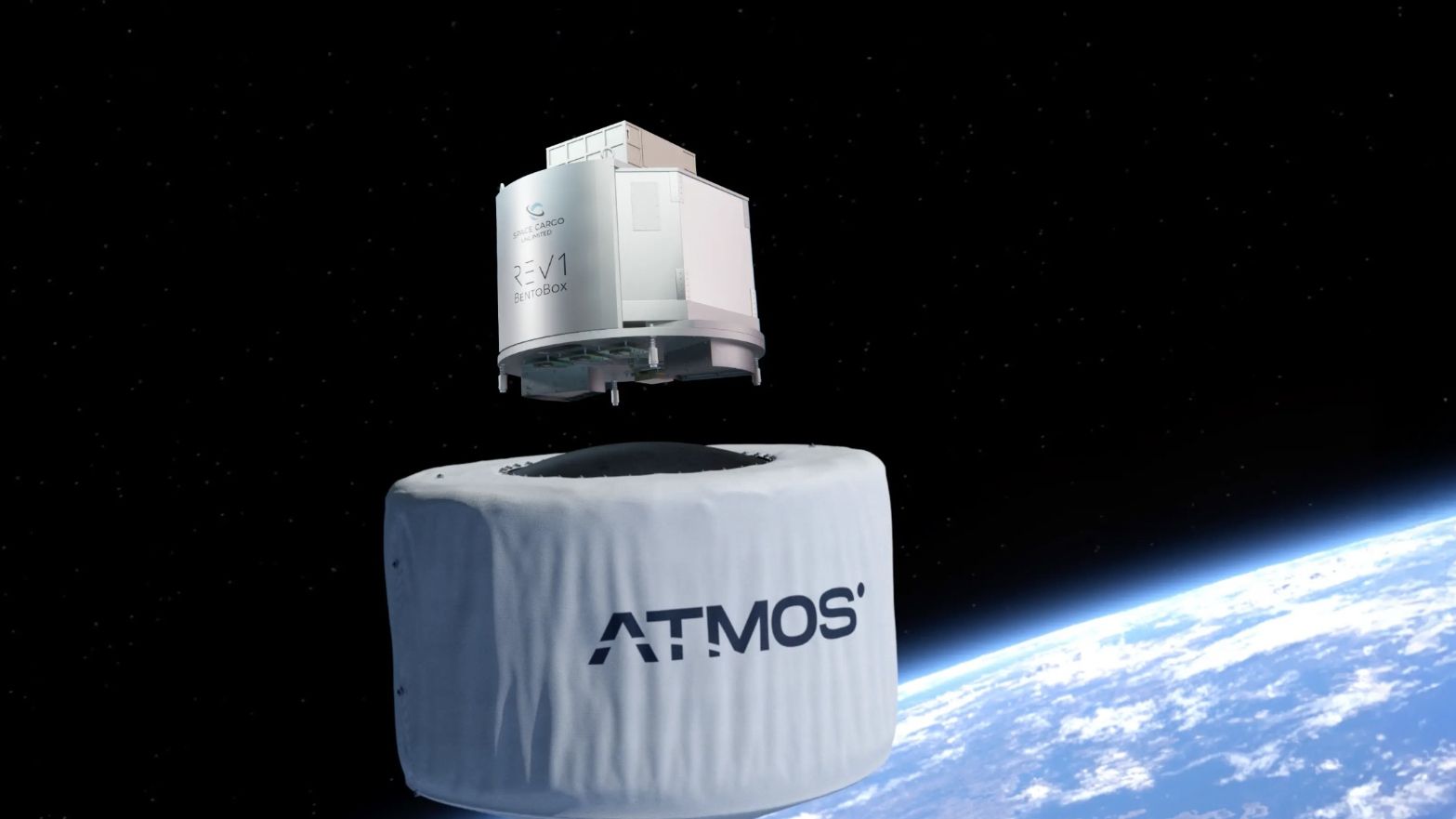
I keep coming back to the irony that a cargo-return vehicle designed to bring scientific samples safely back to Earth is now being studied as the basis for dropping projectiles on it. The Phoenix capsule is mundane space logistics, and that's exactly what makes this unsettling. Weapons programs rarely start with weaponry; they start with repurposed infrastructure.
The physics of orbital kinetic bombardment have been well understood since the 1950s. A tungsten rod dropped from orbit carries enormous energy, no explosives needed. What's never been solved is the political and technical unreliability. You're building a system that must work flawlessly every time, forever, because a malfunction means a multi-ton object falling on an arbitrary point of the planet. The margin for error is a city.
I'd want to know which companies these are, and whether this is a funded feasibility study or just a memorandum of intent. There's a long history of European defense contractors floating orbital weapons concepts to test the political waters, then quietly shelving them when the treaty obstacles become clear. The Outer Space Treaty prohibits weapons of mass destruction in orbit, but kinetically dropped conventional weapons occupy a murky middle ground.
The real question is whether the commercial commoditization of space access makes this inevitable. Cheap rideshare launches and reusable capsules mean the cost barrier to orbital capability is collapsing. I'm not predicting we'll see orbital missiles in my lifetime, but I'd rather we have these conversations in public than in the margins of defense procurement documents.