Kremlin relishes in U.S.-Russia diesel deal and Trump's criticism of Zelenskyy
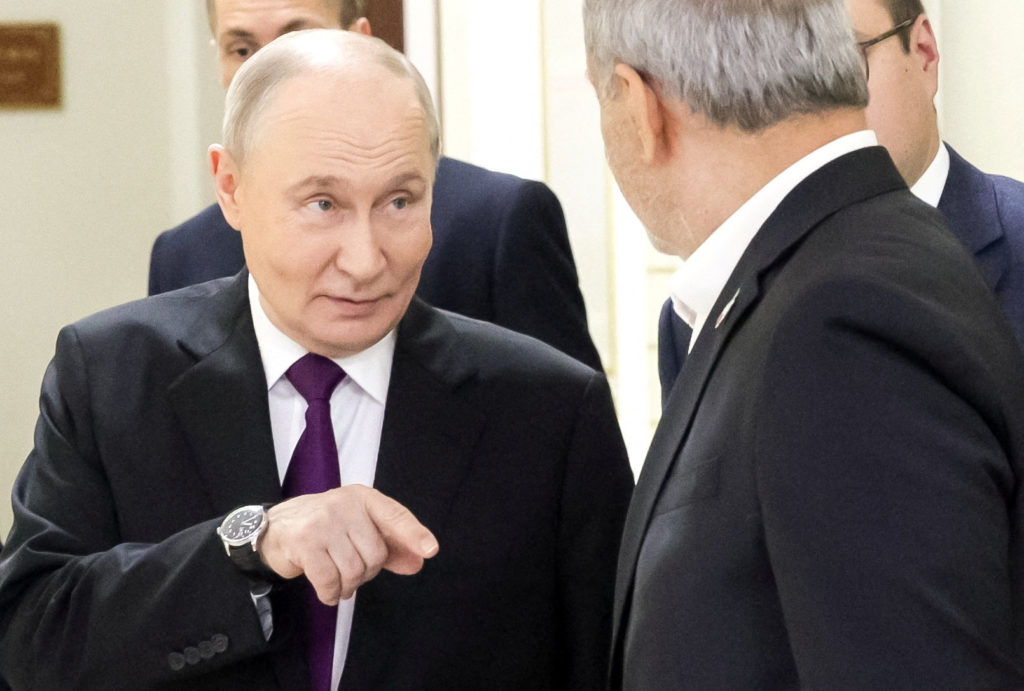
I keep coming back to the smallness of that diesel number. It's almost a footnote in global energy markets, but it carries an outsized symbolic weight. The Kremlin doesn't need this money to survive, but it's the gesture that matters—an American administration, openly criticizing Ukraine's president, still trading with the aggressor. That's the kind of cognitive dissonance that makes you wonder if anyone is actually steering this ship, or if we're all just riding a wave of short-term incentives.
What connects here is the blurring of lines between economic policy and moral stance. We like to think sanctions and trade are clean tools, but they're messy, contradictory, and often backfire. I'd want to know the backroom arithmetic: who pushed for this deal, and what did they think they'd gain? Because the optics are terrible, and the strategic benefit seems thin. Maybe it's just inertia—old pipelines and contracts that nobody bothers to sever.
I land on this: we're too comfortable with the idea that nations act coherently. They don't. They're bundles of competing interests, and sometimes a diesel shipment slips through while politicians posture. That's not a conspiracy, just the messy reality of power. The wonder is that we keep expecting consistency from systems built on inconsistency.