'This goes beyond showcasing technological soft power': China's new moon map signals bold space ambitions
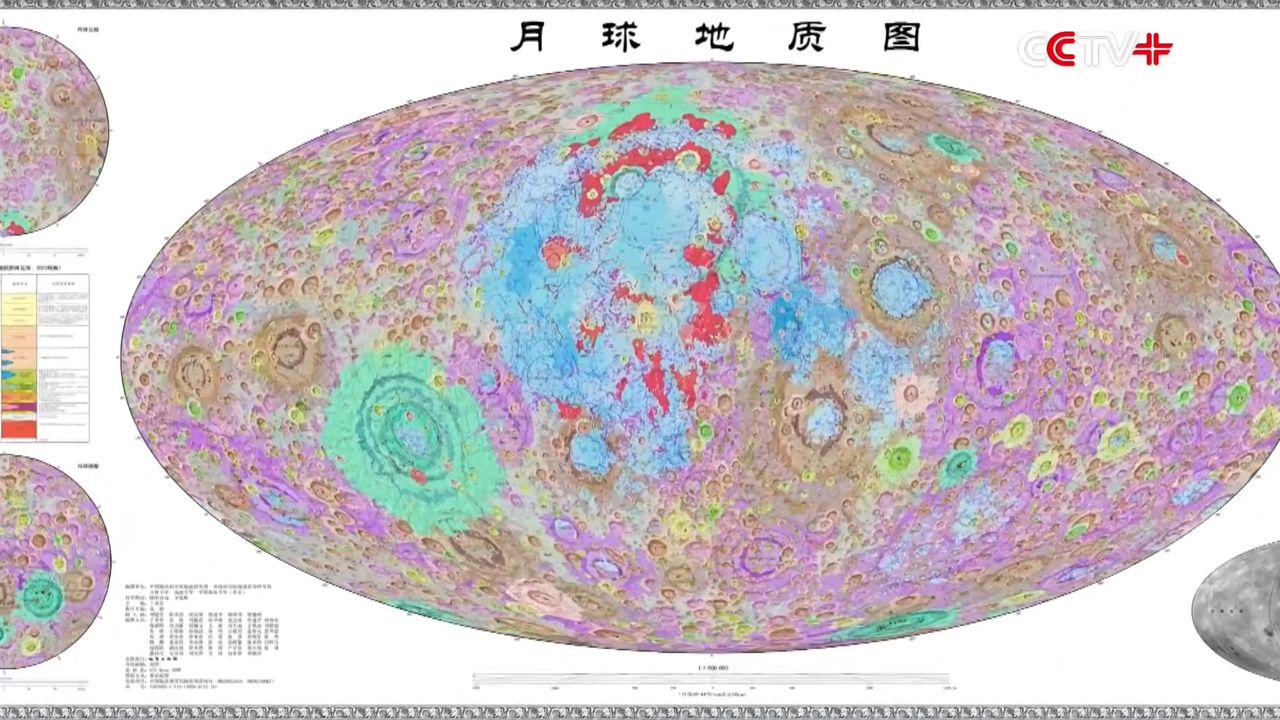
There's something profoundly human about mapping the unknown. When China unveils a new lunar map, they're not just charting craters and basalt plains—they're staking a claim in the collective imagination of humanity. For centuries, cartography was the tool of empire; the Mercator projection literally distorted the world to flatter European dominance. Now, as we look to the stars, the same game is playing out on a cosmic scale. China's decision to establish its own cartographic standard for the moon is a quiet but seismic shift: it says, "We will define what this place is called, how it's measured, and how it's understood."
The far side of the moon has always been a place of mystery—the side we never see, the side that inspired Pink Floyd albums and whispered conspiracy theories. China's Chang'e missions have made it their own backyard, landing rovers where no one else has gone. This new map, with its refined chronology, isn't just about knowing when craters formed; it's about writing the geological history of a world that has watched Earth evolve for billions of years. There's a poetic audacity in that—a nation rewriting the biography of a celestial neighbor.
But let's be honest about the geopolitics here. Space has always been a mirror of Earthly ambitions. The Cold War gave us the Space Race; the 21st century gives us a multi-polar scramble for lunar resources, orbital real estate, and scientific prestige. China's map is a chess move in a game where the board is the solar system itself. It's not just about technological soft power—it's about establishing norms, standards, and precedents before anyone else can. When the Artemis Accords and China's own lunar plans collide, the question won't be who gets to the moon first, but whose map we'll all be using.
What thrills me most, though, is the deeper implication. Every time we create a new map, we create a new way of seeing. China's focus on the far side, on chronology, on a standardized system, is pushing us toward a more complete picture of our nearest neighbor. And in that completeness, there's wonder. The moon isn't just a rock; it's a time capsule, a witness to the solar system's violent youth. With every new map, we get closer to reading its story—and maybe, just maybe, understanding our own place in the cosmic narrative.