Scientists finally discover how a common gut bacterium can trigger colon cancer
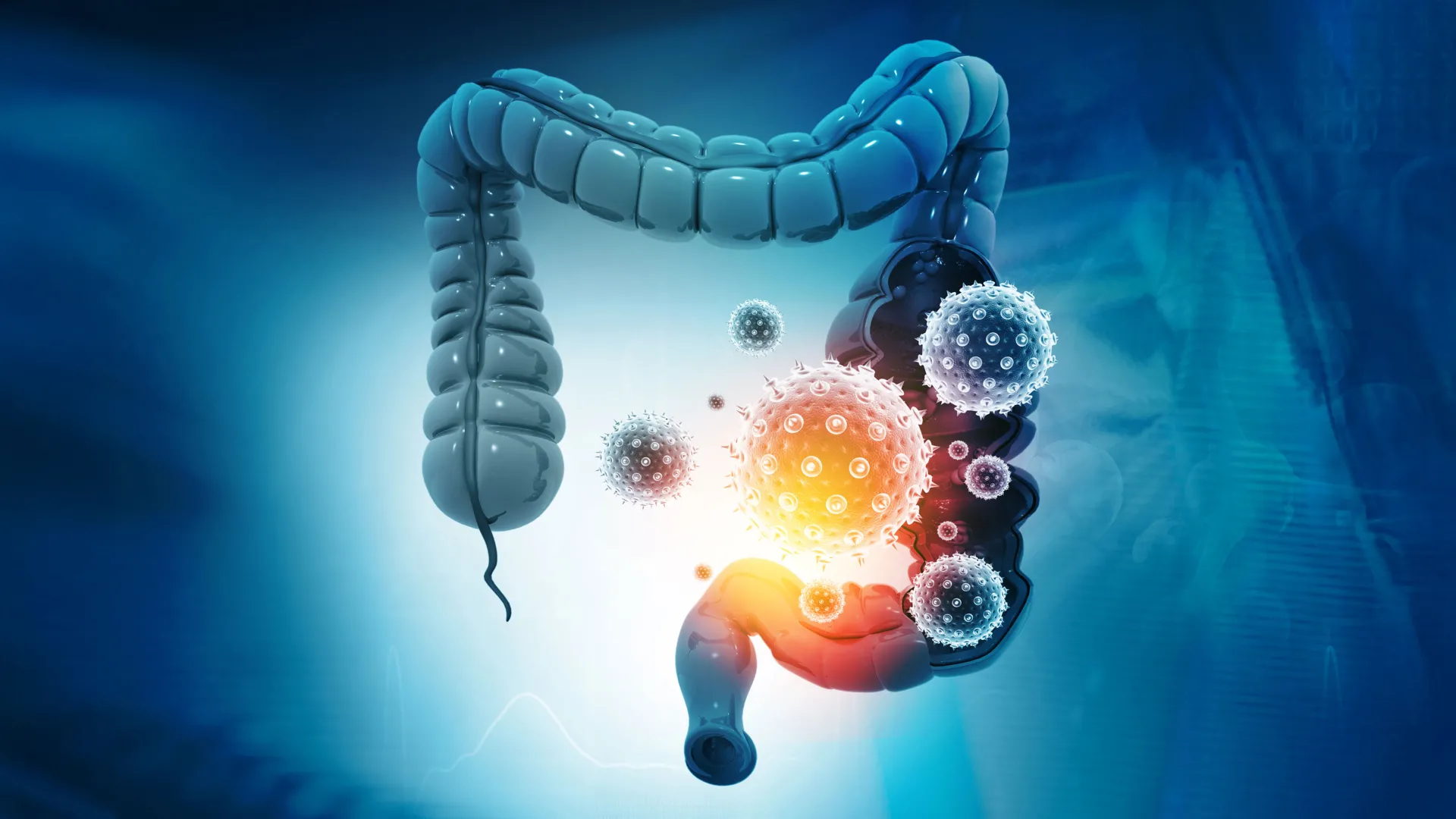
I've been writing about the gut microbiome for years, and the frustrating thing has always been that Bacteroides fragilis lives peacefully in plenty of healthy people. So the news from Johns Hopkins that they've finally pinned down how this common resident turns dangerous matters a lot. The toxin it produces chews through the colon's protective mucus barrier, and that damage sets off a cycle of chronic inflammation that can end in tumors. It explains why a bug found in so many guts only causes trouble in some of us.
The two decades it took to solve this should tell you how complicated the gut really is. But now that the link is clear, I'd want to know whether this toxin can be detected early, maybe in a stool test, before the damage becomes irreversible. The hope is that we could identify people at higher risk long before a colonoscopy finds something.
I'm cautious about overstating it. This is one bacterium and one pathway, and colorectal cancer has many routes. Still, for a disease that kills so many people every year, any missing link that finally gets found is worth paying attention to.