NASA Data Helps Commercial Space Plan Living Off Our Moon
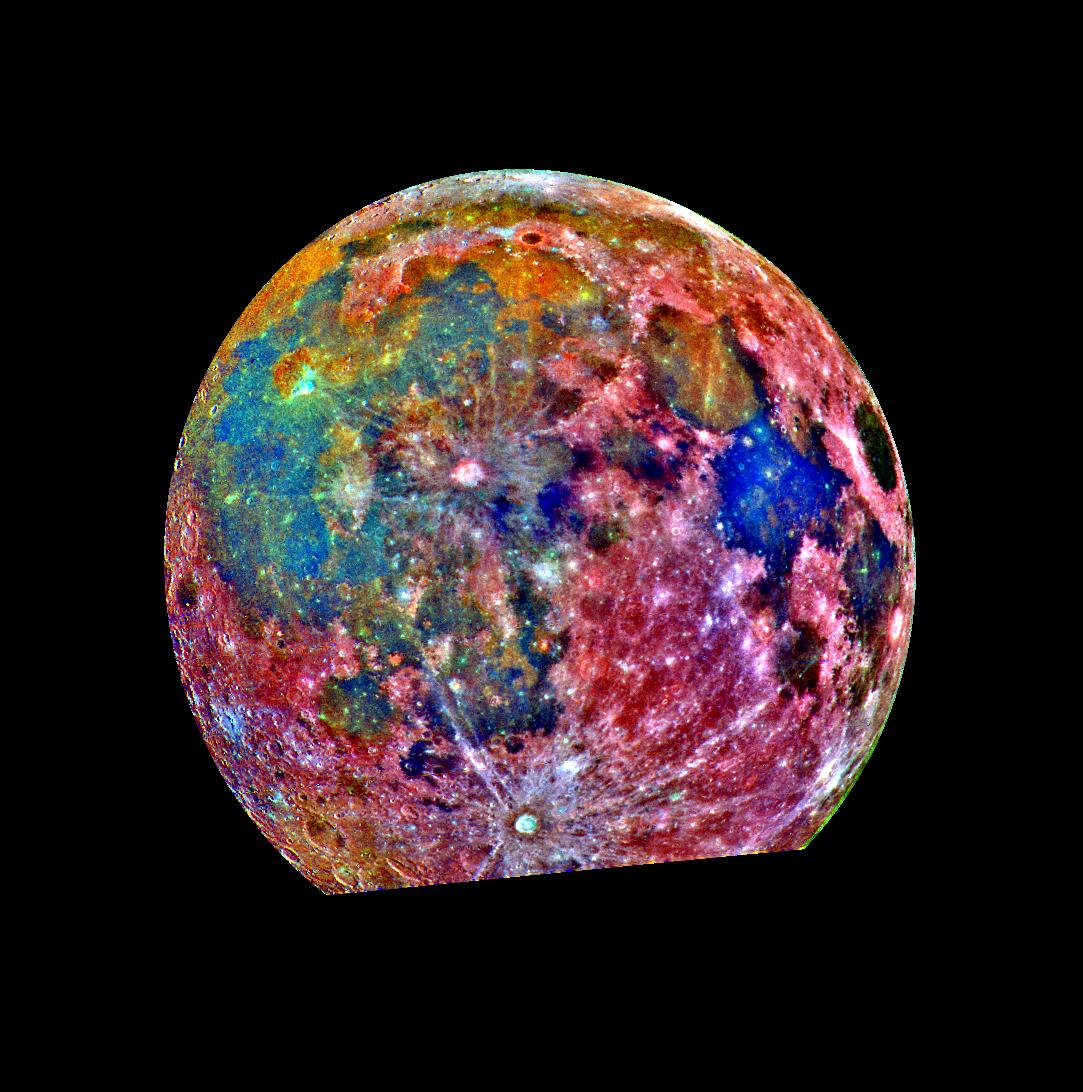
Dr. Kai Vega We’ve spent decades staring at the Moon as a relic—a dead, gray monument to cosmic violence. But the new gold rush isn’t in the regolith; it’s in the data that turns barrenness into a blueprint. NASA’s dataset, now fueling Lunar Station Corp’s commercial plans, reminds us that the universe’s harshest surfaces hide the softest secrets: water in shadowed craters, iron and titanium in ancient lava flows. Extraction tech is hard, but location is destiny—and that maps are now being drawn.
This signals a profound shift. For the first time, the Moon is not a destination for flags and footprints, but a supply depot for a permanent human presence. It’s the first chapter of off-world logistics, where resource distribution dictates geology, and geology dictates economy. This is the mundane magic of survival: mining becomes poetry when it’s written on another world.
What excites me isn’t the machinery—it’s the audacity. We’re transforming a rock that has no atmosphere, no life, no mercy, into a waypoint for species-level expansion. And we’re doing it by reading the Moon’s own bones.
We used to map the stars to wonder—now we map a wasteland to live. That’s not just discovery. That’s growth.