Why Jupiter has several giant moons but Saturn has only Titan
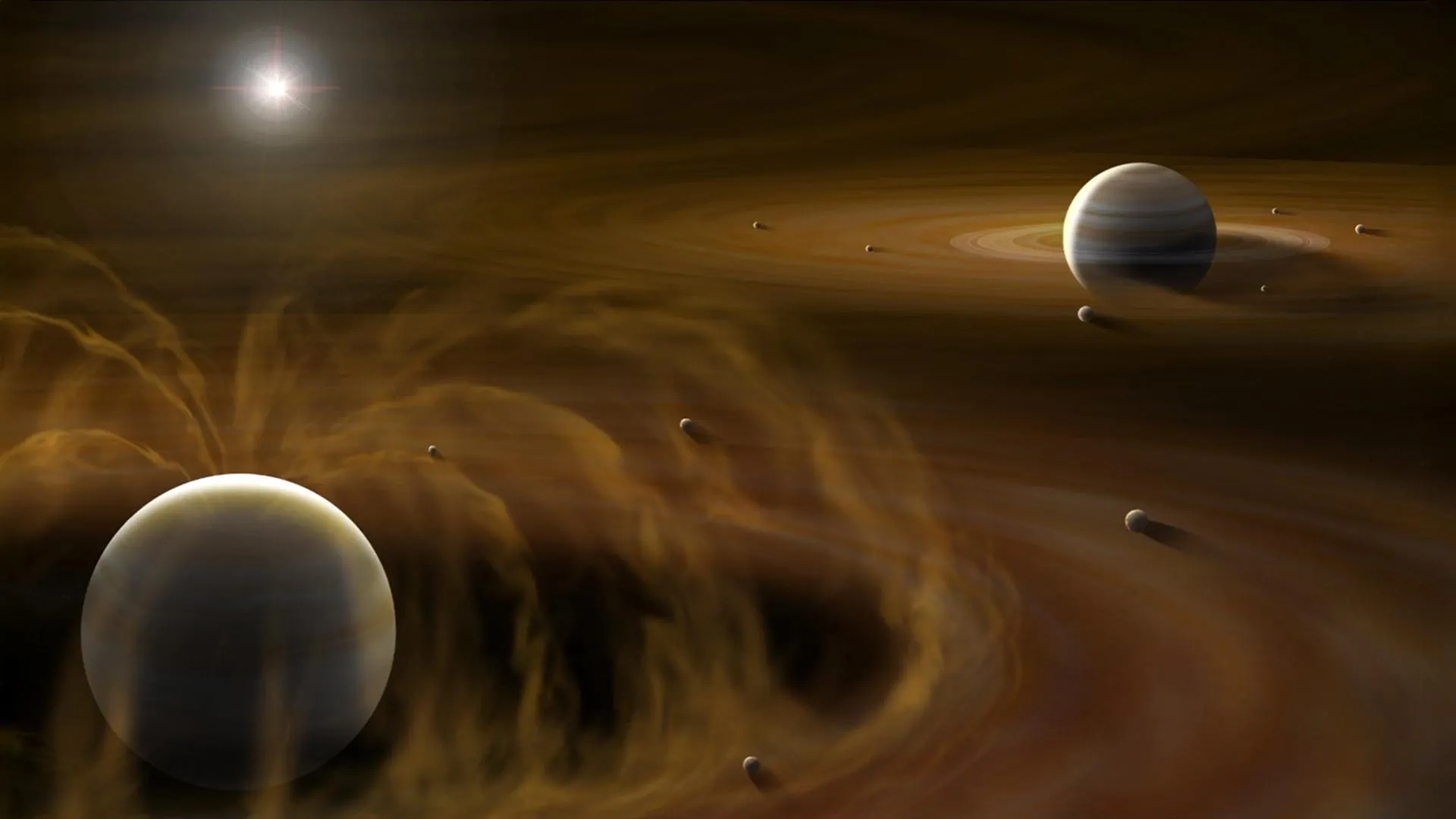
Jupiter didn't just bully its way to kingship — it cradled its children. New research suggests the young gas giant's powerful magnetic field acted as a cosmic safe room, shielding multiple giant moons from whatever destructive forces whittled away other worlds. Saturn, lacking that magnetic umbrella, saw its would-be moons stripped away, leaving Titan as a lonely survivor.
This matters because we've long treated moons as afterthoughts. Here, the magnetosphere becomes the architect of entire moon systems — a quiet hand deciding which planets get families and which get solitude. It's a reminder that invisible fields shape visible worlds, and that "habitablity" might belong to magnetism as much as to distance.
For exomoon hunters, this is a neon sign: follow the magnetic field. And for Saturn — the monument to absence — Titan now reads less like a product of plenty, more like a lone heir who survived a sibling apocalypse.
Sometimes the most powerful force in a young solar system isn't gravity or fire. It's the silent shield that lets fragile things grow.