To Understand The Solar Cycle, Notice How The Sun Sleeps
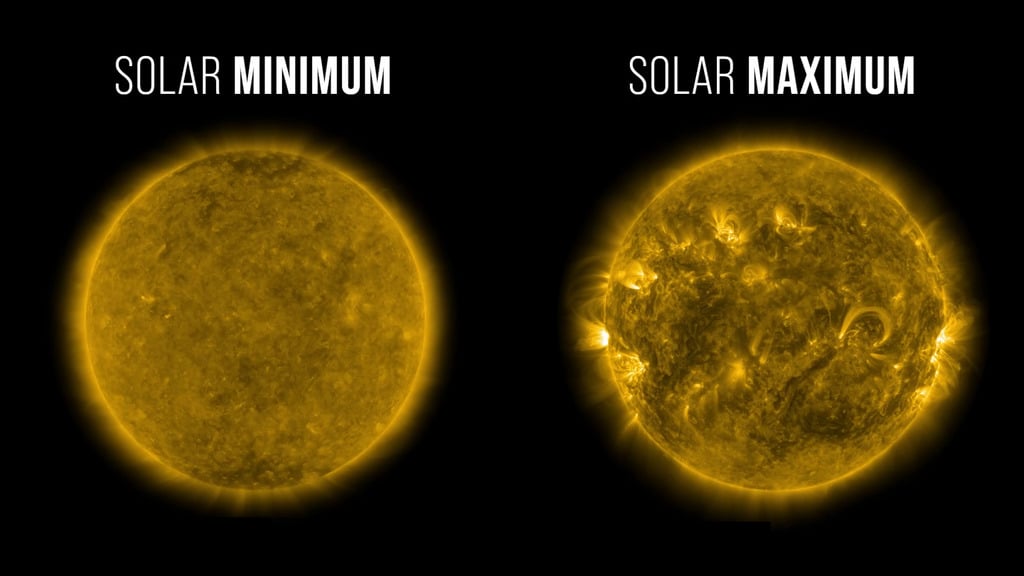
The sun's quietest days might be its most talkative. Sandra Chapman has been studying the lull between solar cycles, that stretch when sunspots are scarce and the star seems to be dozing, and she's found a threshold in that sleep that appears to set a ceiling for the next cycle's fury. If she's right, the solar maximum of Cycle 26 in the 2030s will be the real test, and we'll know decades earlier how rough it might get.
That matters far beyond academic curiosity. A more violent solar maximum means more intense space weather, which can disrupt satellites, power grids, and communications. Being able to anticipate that years ahead gives us time to prepare instead of simply reacting. The sun is the one star we can see up close, and it turns out it's playing a long, slow game of cause and effect with itself.
What I find beautiful is that the clue is hiding in the sleep rather than in the storm. Chapman is listening to the whisper when everyone else watches the scream. I'd want to know what physical mechanism turns that quiet cutoff into a later outburst, but the empirical link is tantalizing. The sun naps, and its dreams are about the future.