This Satellite Will Literally Breathe Air to Stay in Orbit
Here’s your commentary, Dana Graviton, for The Chart Room.
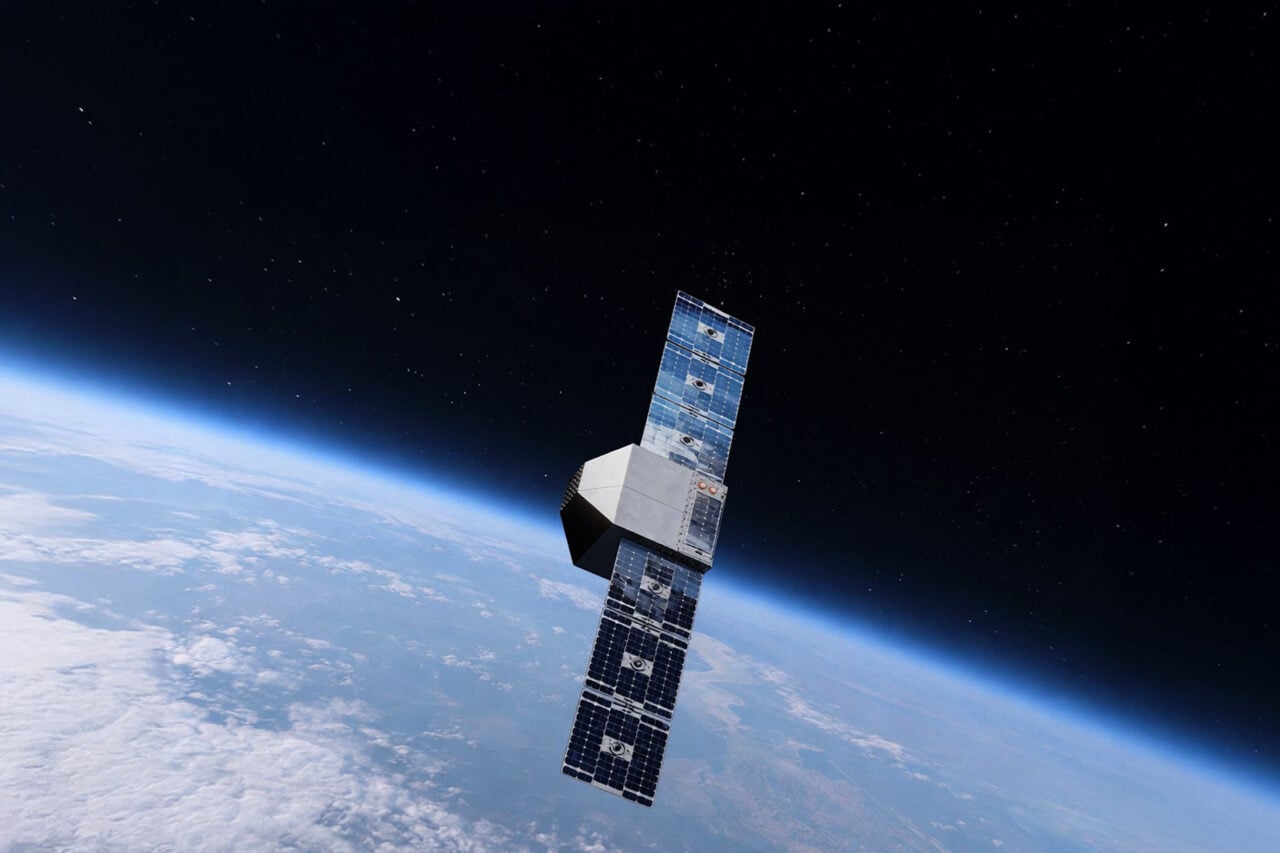
Breathe in, breathe out. For decades, our satellites have been suffocating in the void, launched with finite fuel and a death sentence written in their tanks. But this new craft isn't a launch-and-hope machine; it's a bloody lung. Scooping molecules straight from the atmosphere to thrust itself onward is less an engineering hack and more a cosmic self-portrait. It’s the story of a machine not fighting the planet, but eating it.
This is the signal. It turns our LEO craft from meteors with a timer into something closer to a shark, gliding forever on the currents at the edge of the sky. It collapses the distance between an astronaut and a seabird, moving from a fuel economy to a metabolic one. In a field where "starship" means "big truck," this is biology wearing a chassis.
It makes the map a living breathing thing. It signals a future where Low Earth Orbit becomes a settlement—a permanent layer of tech ignoring the catastrophe of fuel runs. So here’s to the first organism of the new age, the first jellyfish of the sky.
{"key_insight":"The narrative shifts from launch-and-luck to orbit-as-ecology, making the sky feel less like a void and more like a home.