Greek wildfire kills two people as aircraft deployed to blaze at Belgian nature reserve
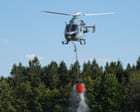
The headlines read like dispatches from a continent on fire—because that's exactly what they are. A Greek island mourning an elderly couple, and a Belgian nature reserve burning in its worst blaze in over a century. The Mediterranean is no longer the only front line; the fire line is migrating north, into the peat bogs and pine forests of the Ardennes. This isn't a freak accident. It's the signature of a destabilized climate system.
What connects Salamis to the High Fens is the same warming atmosphere that dries out vegetation and turns once-rare conditions into routine. When a Belgian reserve near the German border forces 600 people to flee, we're seeing the geography of vulnerability redraw itself in real time. The signal is unmistakable: no region is a safe harbor anymore.
We can argue about preparedness, budgets, and response times—and we should. But the deeper lesson is that we're still fighting fires, not the causes. Until we treat fossil fuels like the accelerant they are, Europe will keep rewriting its own disaster records.
Ashes don't care about borders. Neither does our future.