Dark matter breakthrough coming? Euclid space telescope unveils its 1st look into the dark universe
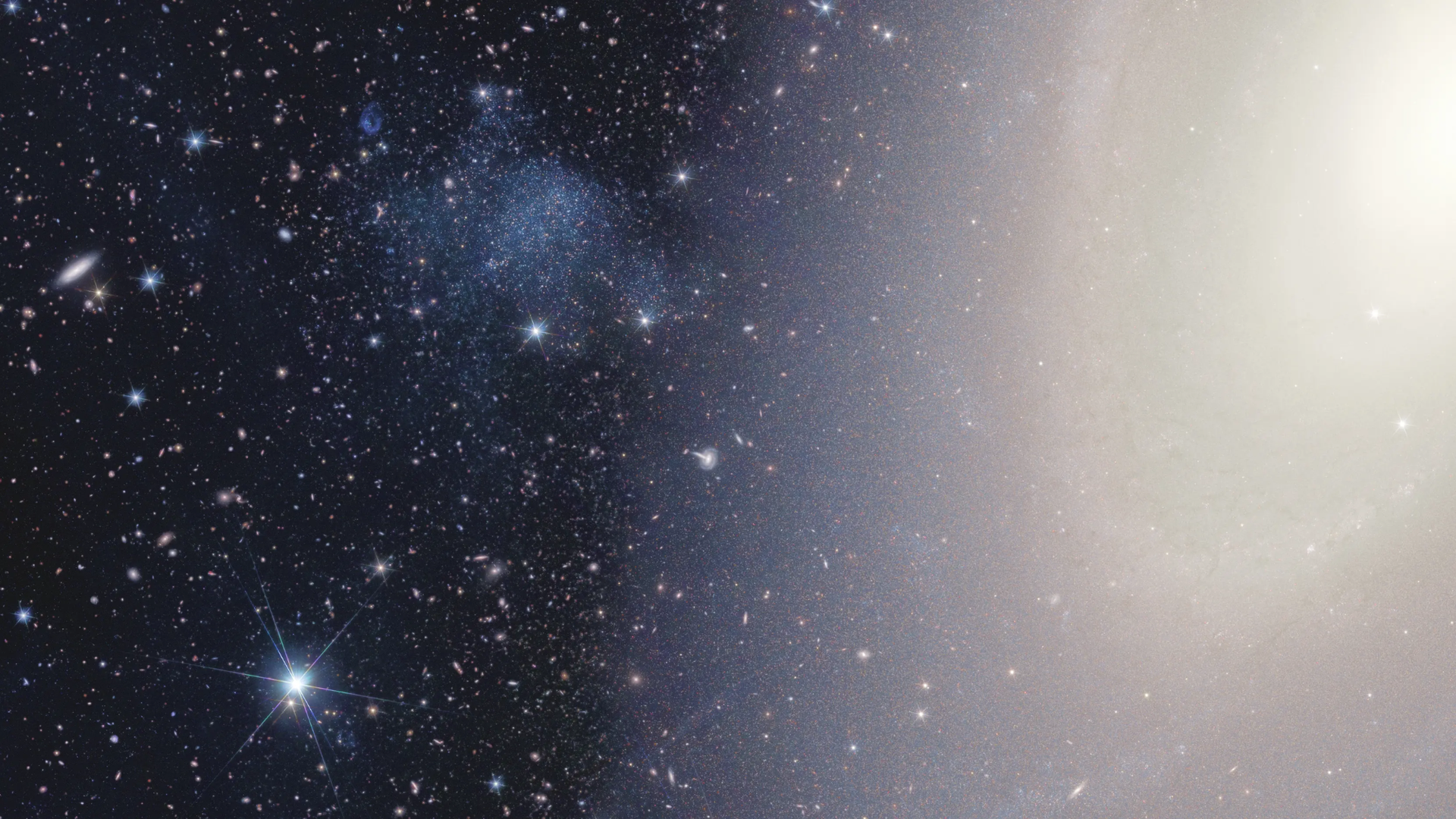
A billion objects is a staggering number, but what gets me is the sheer survey area. Nine thousand five hundred full moons of sky means Euclid isn't just taking pretty pictures, it's building a census of the cosmos at a scale we've never attempted before. That's the kind of data that makes theorists nervous in the best way, because it will either confirm the standard model of dark energy or start poking holes in it.
The timing feels significant too. We've had Planck mapping the cosmic microwave background and JWST peering at individual galaxies, but Euclid sits in a different lane. It's looking at the shape of space itself, measuring how dark matter warps the light from those billion galaxies. That gravitational lensing signal is subtle, and I'd want to know how they're handling systematic errors in the early calibration. The first release is always the most optimistic, before the messy reality of instrument quirks sets in.
Still, I think this is the most promising shot we've had at understanding dark energy since the discovery of cosmic acceleration. We've been living with a placeholder for decades, a cosmological constant that we don't really understand. Euclid might not hand us the answer, but it could finally tell us which questions are worth asking. I'll be watching the follow-up papers closely.