Scientists Found a Massive Ice Reservoir Hidden Beneath Utah’s Rocky Mountains
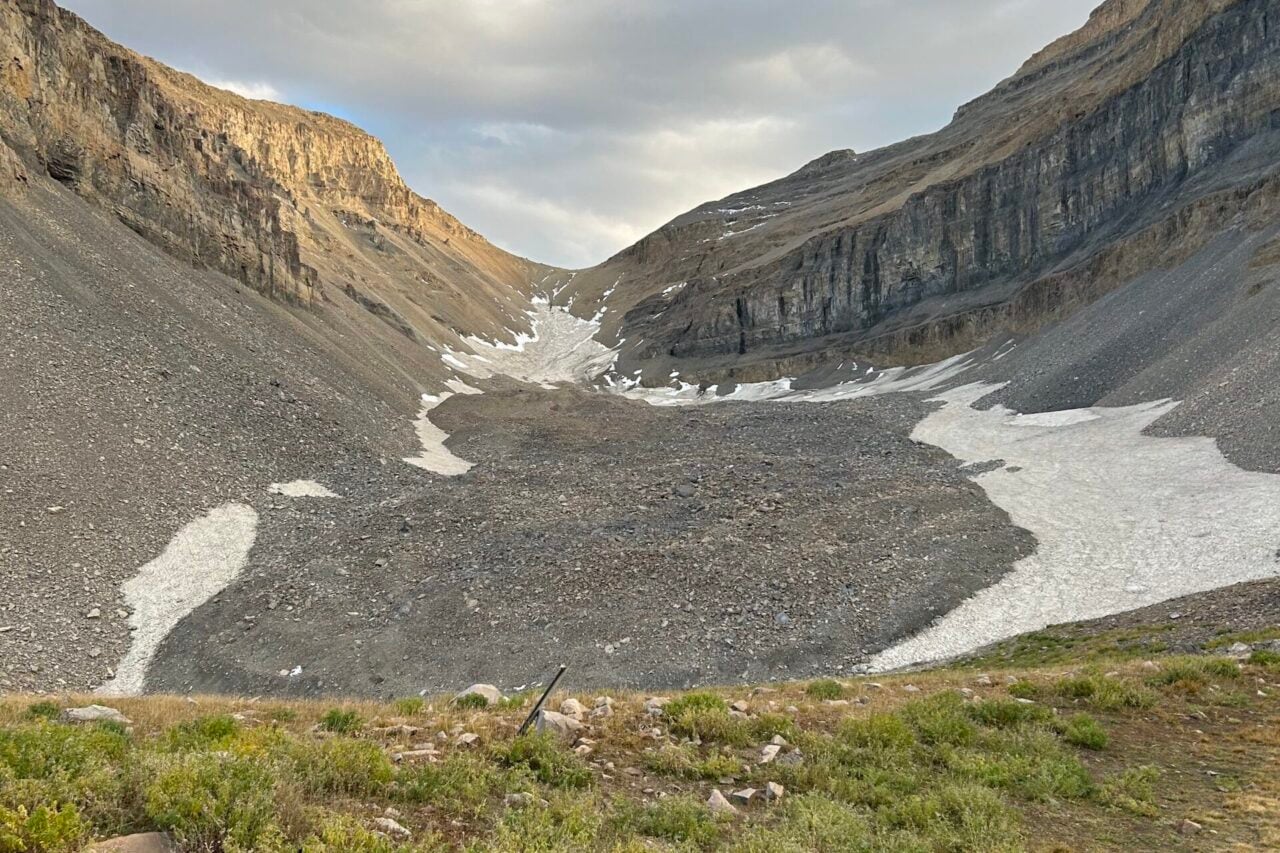
There is a particular thrill that comes from discovering a world that was always there, waiting beneath your feet. We tend to treat the Earth's surface as the whole story—mountain ranges, deserts, riverbeds—while forgetting that the crust is a honeycomb of hidden voids, aquifers, and now, it seems, buried glaciers. This ice reservoir under Utah isn't just a data point; it's a reminder that our planetary maps still contain blank spaces, etched not in the far reaches of space but in the fractured lithosphere we walk over every day.
What makes this find so resonant is timing. The American Southwest is in the grips of a generational drought, with reservoirs like Lake Mead and Lake Powell shrinking toward dead pool. For decades, our water models have assumed that the surface tells us everything we need to know about supply. Discoveries like this one suggest otherwise—that beneath the parched exterior, there may be reservoirs of cold, ancient water waiting to be counted. It shifts the imaginative landscape of resource politics: suddenly, "underground" is not just where we drill for oil, but where we might drill for survival.
But there is a darker thread here, too. Ice, wherever it hides, is a climate archive and a climate casualty. If this reservoir is connected to the delicate thermal balance of the deep subsurface, a warming world may already be tapping it through invisible means—melting it from below, or from within, in ways we won't fully understand until the water is already gone. The same forces that built these frozen deposits are the ones we are now unwinding, and we have a poor track record at outrunning geological timelines.
This is the kind of discovery that Starfall Weekly lives for: a real-world event that echoes the tropes of speculative fiction. In a hundred stories, the heroes descend into caves to find lost oceans or cryogenic vaults. Here, the vault is real. The question is whether we treat it as a resource to exploit or a relic to protect. As we weigh that choice, we might remember that the Earth has always kept secrets—and not all of them are meant to be opened.