This bird flies thousands of miles, but its wings have a catch
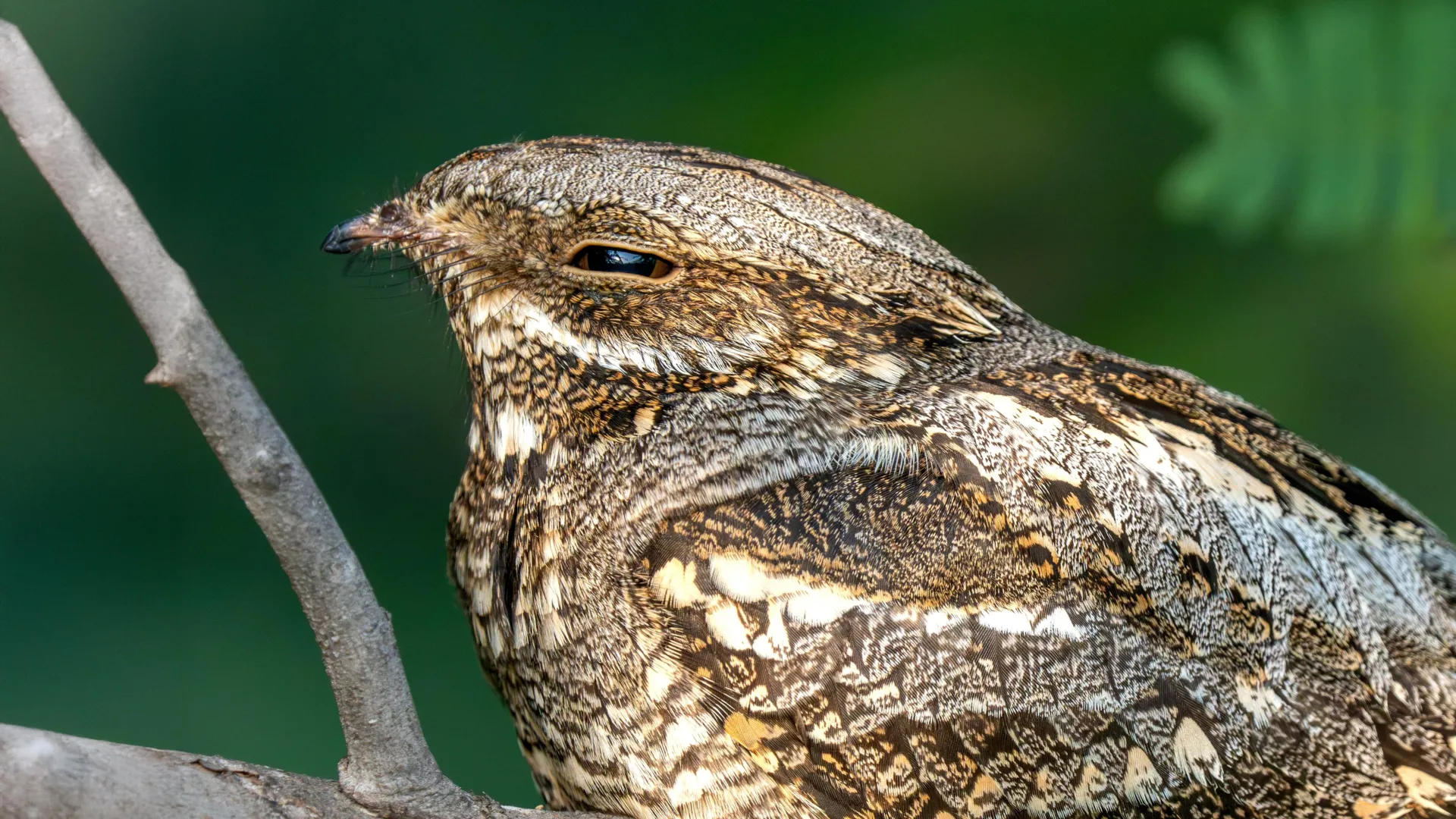
I keep thinking about the image of a nightjar zigzagging after moths in the dark, then pointing itself at Africa and just going. Most long-distance migrants are built like cruising jets, with narrow wings that save energy. The nightjar apparently said no to that deal, and instead rocks a wing that's great for sharp turns but lousy for straight-line speed. That should be a terrible trade for a bird that flies thousands of kilometers, and yet it covers the distance anyway. I love that biology keeps finding ways to cheat our expectations.
The upstroke thrust detail is the real head-scratcher. Birds usually produce most of their forward push on the downstroke, with the upstroke as recovery. Generating real thrust on the way up means the nightjar's wing is doing something closer to a propeller on every half-cycle. Engineers have chased flapping drones that can do this for years, and here's a bird pulling it off naturally while also chasing beetles at dusk.
I'd want to know how it manages the energy cost of migration, and whether other long-distance insect hunters share this wing shape. For now, it's enough to marvel at a bird that refuses to pick a lane, and somehow wins anyway.